


How Many Grams in a Shot of Coffee? The Quick Guide
Introduction
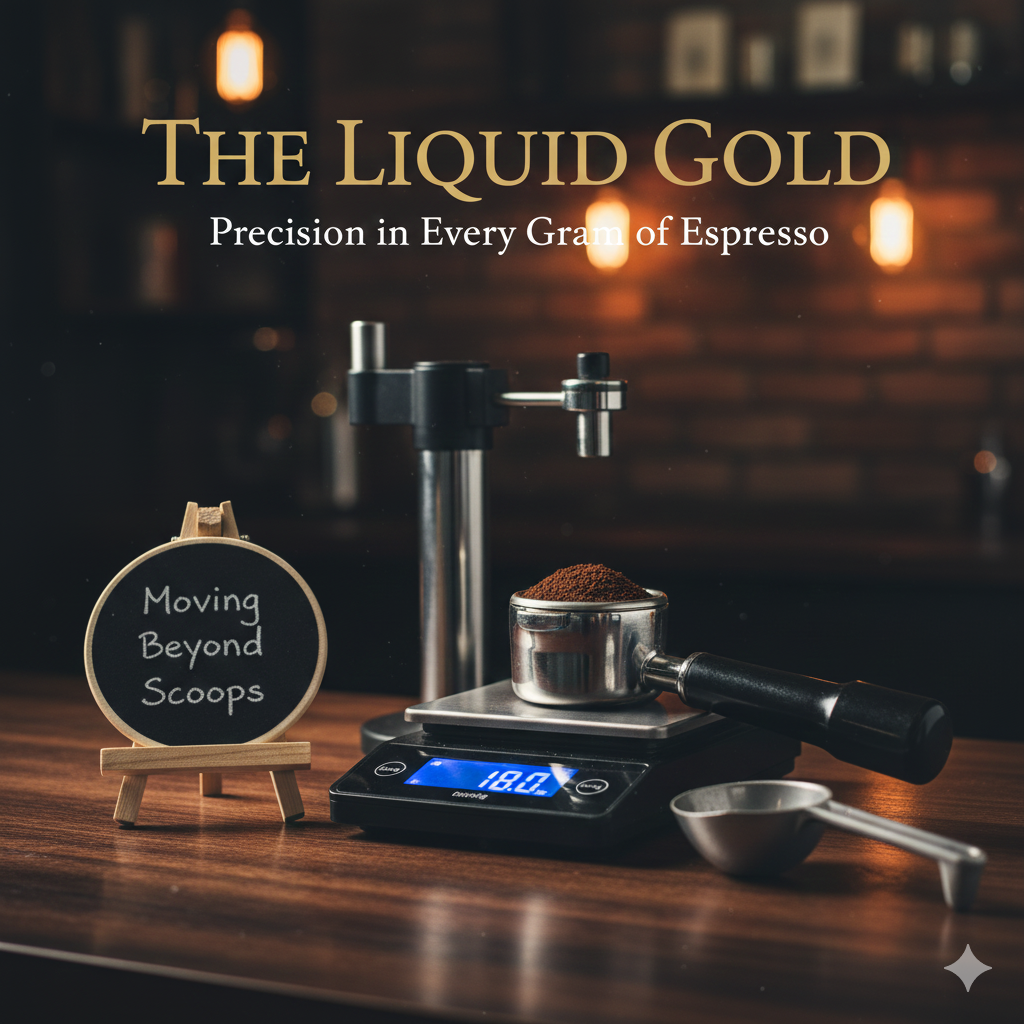
For many coffee lovers, the quest for the perfect shot of Espresso Coffee is much like a science experiment where precision is the key to success. Often referred to as “liquid gold,” a well-extracted espresso is the foundation of almost all your favorite coffee drinks. That rich, syrupy texture depends heavily on the amount of ground coffee in your Coffee Machine. While beginners often rely on scoops, the coffee industry now measures by weight for consistent espresso drink quality.
Table Of Content
- Introduction
- Breaking Down the Numbers: Grams per Shot
- The Single Shot (Solo)
- The Double Shot (Doppio)
- The “Golden Ratio”: Precision in Every Drop
- From Beans to Grams
- How Many Beans are in a Shot?
- Why You Shouldn’t Count Beans
- The Weight Rule
- Factors That Influence Your Dose
- Basket Size
- Roast Level and Density
- Freshness and Degassing
- The Relationship Between Dose and Grind
- The Process of Adjusting Your Brew
- Grind Texture: Finding the Sweet Spot
- Troubleshooting Flavor
- Pro Tips for the Perfect Measure
- Use a Precision Scale
- Fresh Grinding: The 15-Minute Rule
- Leveling and Tamping
- Frequently Asked Questions (FAQs)
- How many shots can I get from a 1kg bag of beans?
- Does a double shot have double the caffeine?
- Can I use a tablespoon instead of a scale?
- Is the process the same for other brewing methods?
- Conclusion
- Taste is King
- Final Takeaway: Precision Leads to Better Coffee
So, how many grams in a shot of coffee should you actually use? While there is no single “correct” number, there are industry-standard ranges that serve as an excellent espresso recipe for beginners. A single shot of espresso (or single espresso shot) generally requires 7 to 10 grams of coffee. For a robust double shot of espresso, the coffee dose increases to 14–20 grams. Mastering this weight is the first step in learning how to make a magic coffee. This Melbourne-style favorite uses a specific coffee-to-milk ratio to create a perfect double ristretto flat white.
This guide helps you move beyond “scoops” and transition to using a Coffee Scale. Focusing on exact weight in grams allows you to master the brew ratio and control extraction time. This leads to great coffee every single morning. Whether using a high-end setup or a simple home Coffee Machine, weighing your espresso beans is the first step toward excellence.
To get the best results, many baristas recommend sourcing the best coffee beans australia has to offer. The freshness and roast quality of local specialty beans make a world of difference in your final cup.
Breaking Down the Numbers: Grams per Shot
Understanding the specific weight for each type of pour is essential for maintaining a consistent coffee taste. Whether you are making a quick morning caffeine fix or a specialized espresso drink, the following standards will guide you.
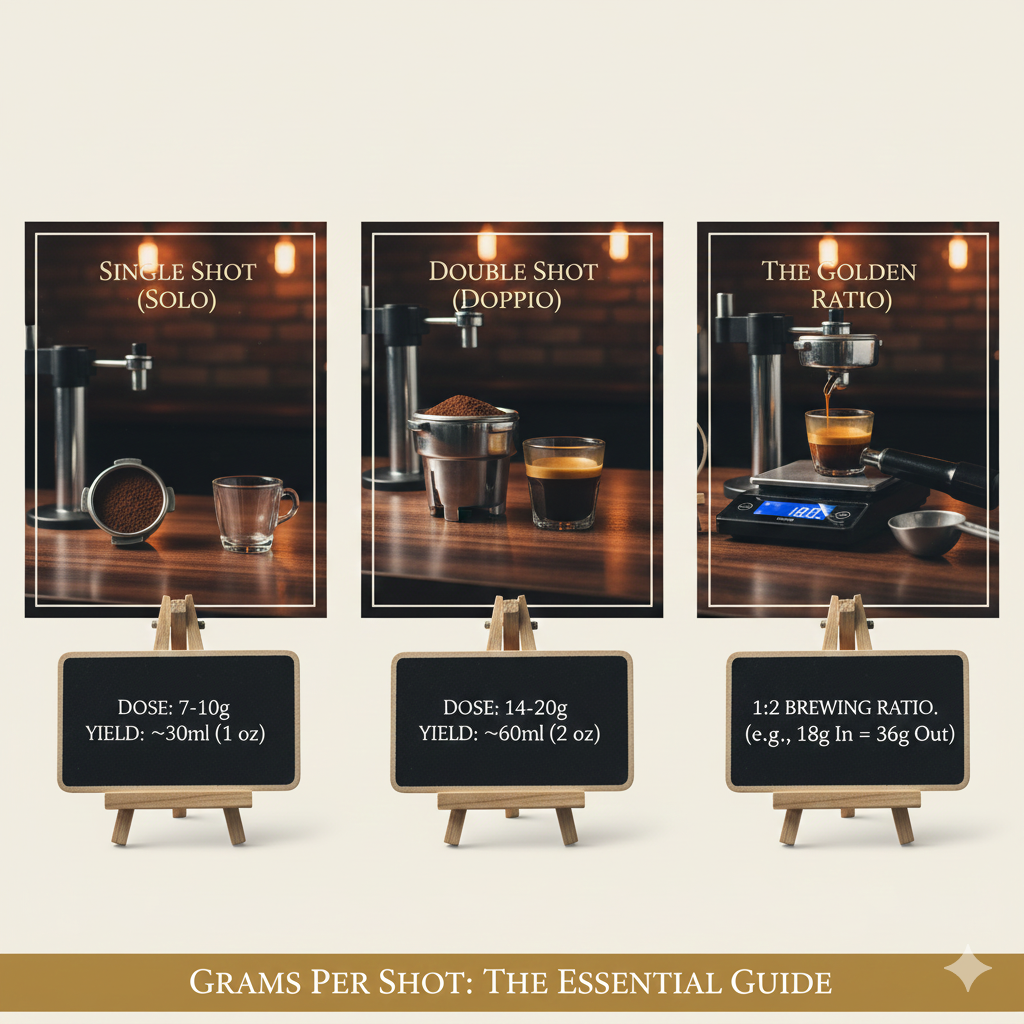
The Single Shot (Solo)
The single shot is the classic foundation of espresso. In a traditional setting, particularly following the Italian heritage of Espresso Coffee, a standard shot was almost always 7 grams of coffee. However, modern specialty shops often increase this amount of ground coffee to about 10 grams to achieve a richer flavor profile.
- Standard dose: 7–10 grams.
- Expected yield: This typically produces about 30ml, which is roughly 1 fluid ounce of liquid.
- The Result: A concentrated single shot of espresso (or single espresso shot) that packs a punch.
The Double Shot (Doppio)
In most modern cafes and for most coffee lovers, the double shot of espresso has become the new standard. It offers more volume and a more balanced extraction when using a larger portafilter basket.
- Standard dose: 14–20 grams.
- Expected yield: This results in approximately 60ml, or 2 fluid ounce portions.
- Usage: This is the most common coffee dose used for lattes and cappuccinos to ensure the coffee isn’t drowned out by milk.
The “Golden Ratio”: Precision in Every Drop
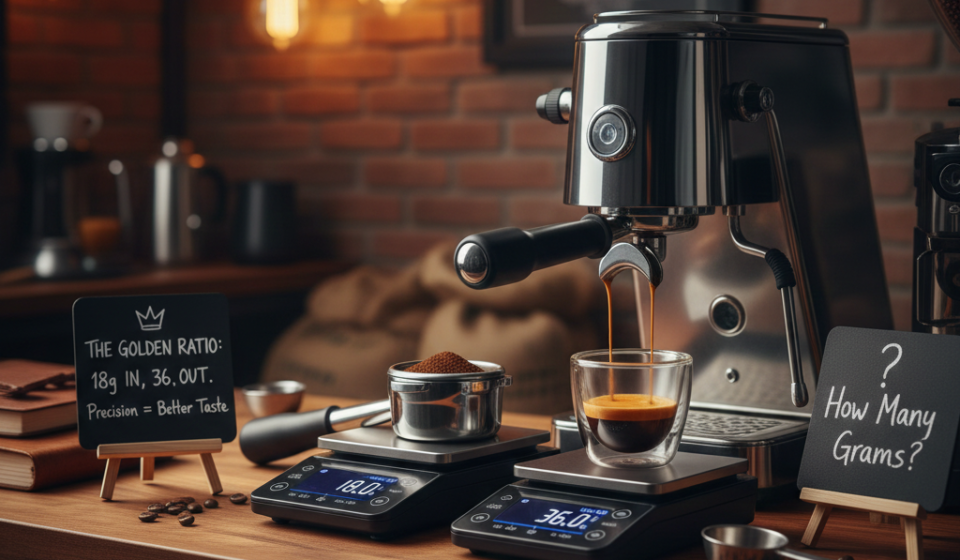
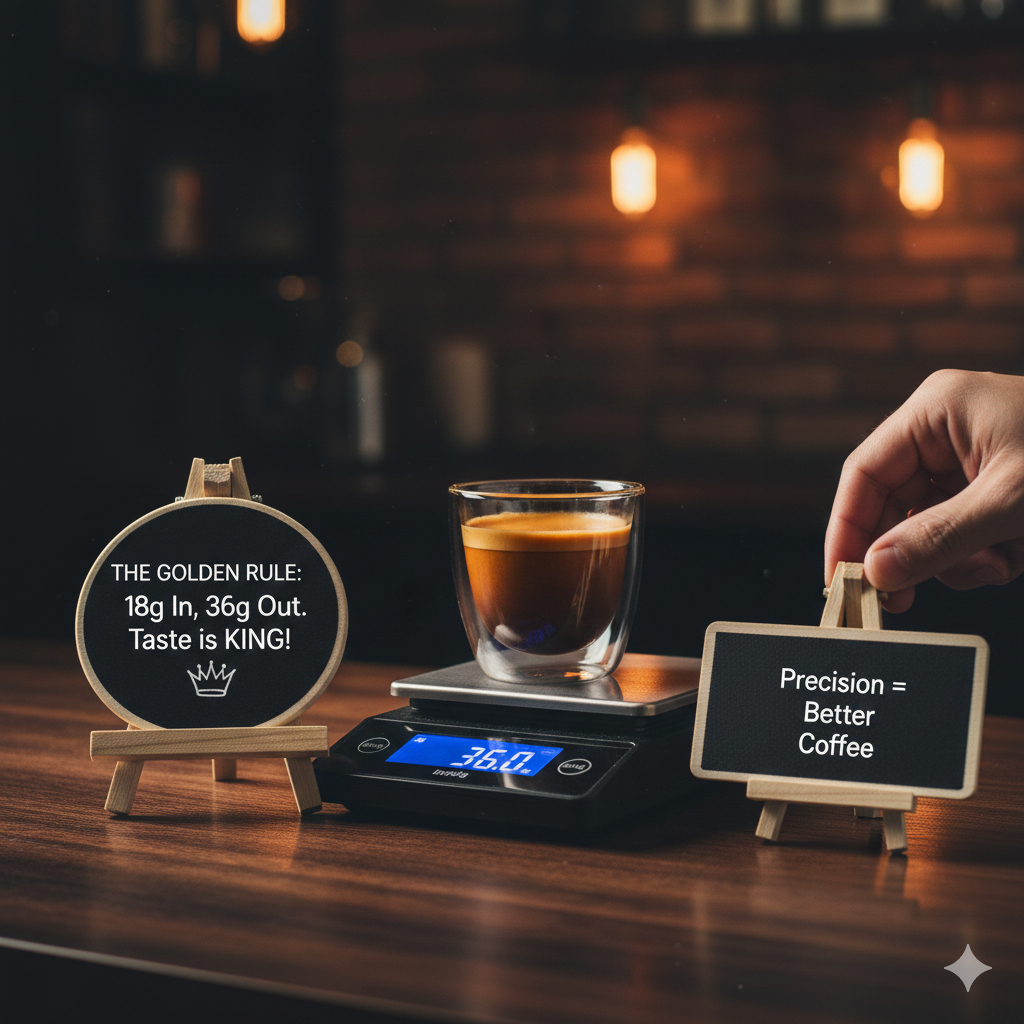
While the weight of the dry grounds is important, the magic happens when you consider the brew ratio. Most baristas aim for a 1:2 ratio. This means if you put 18 grams of ground espresso beans into your Coffee Machine, you should aim for a final yield of 36 grams (about 2 fluid ounce in weight) of liquid espresso.
Maintaining this water ratio keeps the extraction time within the ideal window. This prevents hot water from washing away delicate oils. Mastering this brewing technique ensures even water flow through the coffee bed, resulting in a perfect shot every time.
From Beans to Grams
How Many Beans are in a Shot?
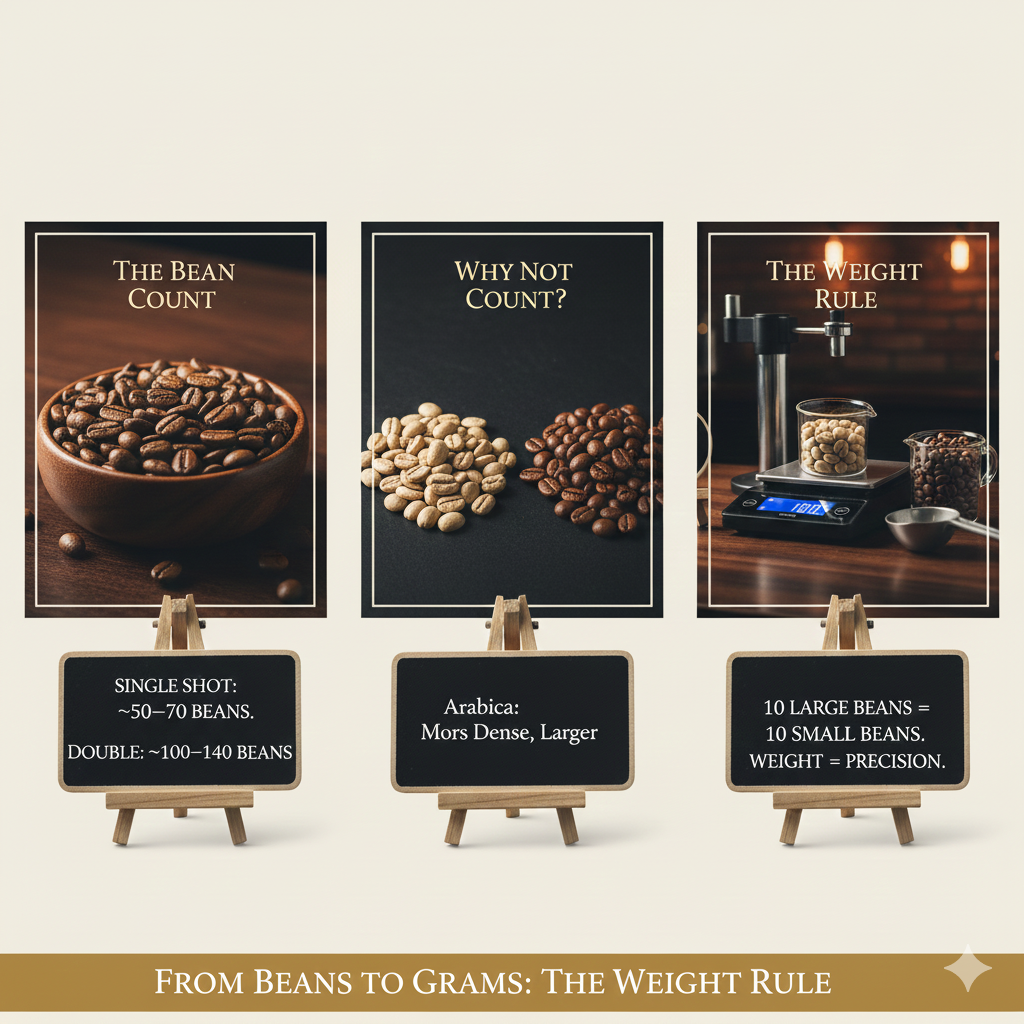
For many coffee enthusiasts, there is a natural curiosity about the actual number of beans required for a brew. If you were to count them out individually, a single shot typically consists of about 50 to 70 whole beans. When preparing for a larger double shot, you can expect to use anywhere from 100 to 140 beans. While this is a fun piece of trivia, it is not a reliable method for consistent espresso making.
Why You Shouldn’t Count Beans
The reason we avoid counting is that bean size and density vary significantly across different bean varieties. For instance, Arabica beans are often physically larger but can be less dense than Robusta beans. Furthermore, the roast level plays a massive role in the physical volume of the coffee. A dark roast will appear physically larger but will weigh less than lighter roasts because more moisture is lost during the longer roasting process.
The Weight Rule
This leads us to the fundamental “Weight Rule.” Since ten large beans weigh more than ten small ones, counting skews your gram of coffee measurement. To achieve the Golden Ratio, rely on weight rather than volume. This ensures your Coffee Machine operates at peak performance.
Precision in weight also helps manage caffeine levels, as different beans contain a varying amount of caffeine. Even if you are using a professional-grade burr grinder, starting with the wrong mass of beans will compromise the extraction and the overall quality of your cup.

Factors That Influence Your Dose
While a standard shot range gives you a starting point, several physical factors will dictate exactly how many grams you should use for your specific setup.
Basket Size
The most critical physical constraint is your basket size. Every portafilter basket is designed to hold a specific volume of coffee. Forcing 22 grams into an 18g basket prevents the handle from locking into the group head. Too little coffee creates a “soupy” puck due to excess space between the coffee grounds and the screen. Matching your grams to the rated capacity of your basket is essential for a clean extraction.
Roast Level and Density
The roast level significantly alters the density of the coffee.
- Dark Roast: During a long roast, beans expand and lose more moisture, becoming lightweight and porous. Because a dark roast is physically larger, you might find that 18 grams fills the basket to the brim.
- Lighter Roasts: These beans are much denser and smaller. When brewing lighter roasts, the same 18 grams will take up much less space in the basket, sometimes requiring you to increase the weight slightly to maintain proper tamping pressure.
Freshness and Degassing
Freshly roasted espresso beans contain carbon dioxide. This gas causes the coffee grounds to appear “fluffy” in the basket. As coffee ages and undergoes degassing, it settles differently. You may find that a coffee which fit perfectly at 18 grams on day five requires a slight adjustment by day twenty to keep the extraction time and water flow consistent.
The Relationship Between Dose and Grind
Adjusting the weight of your coffee is only one part of the equation. To truly master espresso making, one must understand the delicate dance between the amount of coffee grounds used and the texture of the grind. This balancing act is what enthusiasts refer to as adjusting your grind settings.
The Process of Adjusting Your Brew
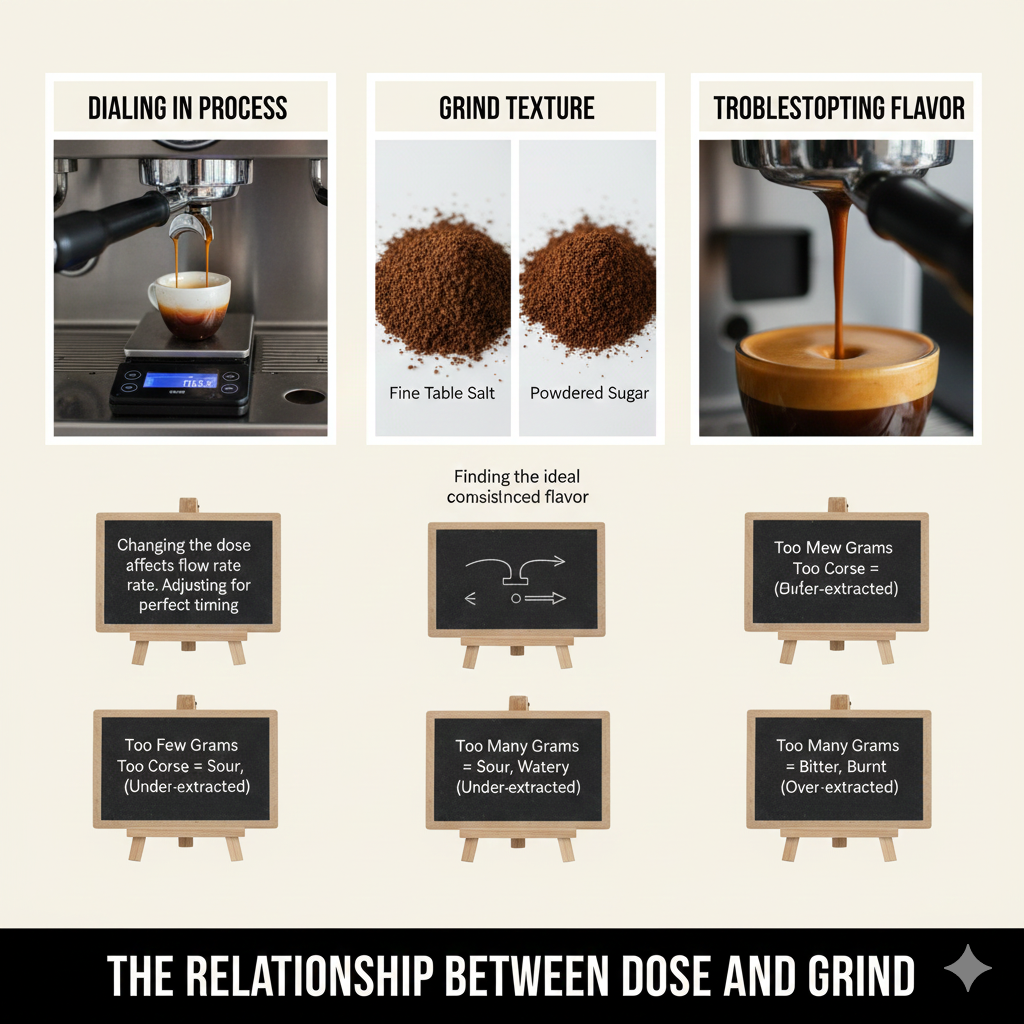
Changing the grams of coffee grounds in your double basket directly impacts water resistance. Keeping the weight the same but switching to a finer grind increases extraction time. This happens because liquid struggles to pass through tightly packed particles. A successful espresso recipe involves locking in your weight first. Then, adjust the grind to hit your target brew ratio within the ideal timeframe. This structured brewing process ensures that your Espresso Coffee remains consistent every morning.
Grind Texture: Finding the Sweet Spot
Finding the right consistency is vital for proper espresso extraction. Ideally, you are looking for finely ground coffee that feels somewhere between fine table salt and powdered sugar. If the grind is too coarse, the extraction process happens too quickly, and your fluid ounce yield will be reached too fast, resulting in a thin, watery mess. Mastering espresso brewing requires a grinder capable of micro-adjustments to ensure the water saturates the grounds evenly.
Troubleshooting Flavor
The relationship between dose and grind determines the final success of your single shot. Here is how to fix common issues:
- Under-extracted: If your coffee tastes sour or watery, you likely used too few grams or a grind that was too coarse. This causes the hot water to rush through without pulling out the necessary sugars.
- Over-extracted: If the brew tastes bitter or burnt, you may have used an excessive weight or a fine grind that is too tight. This slows down the flow, causing the water to over-process the grounds.
Maintaining consistent tamping pressure and following the Golden Ratio helps you troubleshoot issues. This ensures you pull a perfect espresso shot effectively. Whether making a quick cup of coffee or a latte, the synergy between weight and grind is key. This balance creates a professional-level drink every time.
Pro Tips for the Perfect Measure
For many home baristas and coffee enthusiasts, the difference between a mediocre cup and a great espresso often comes down to the small habits practiced during the brewing process. Here are some professional tips to help you master your measurements and refine your technique.
Use a Precision Scale
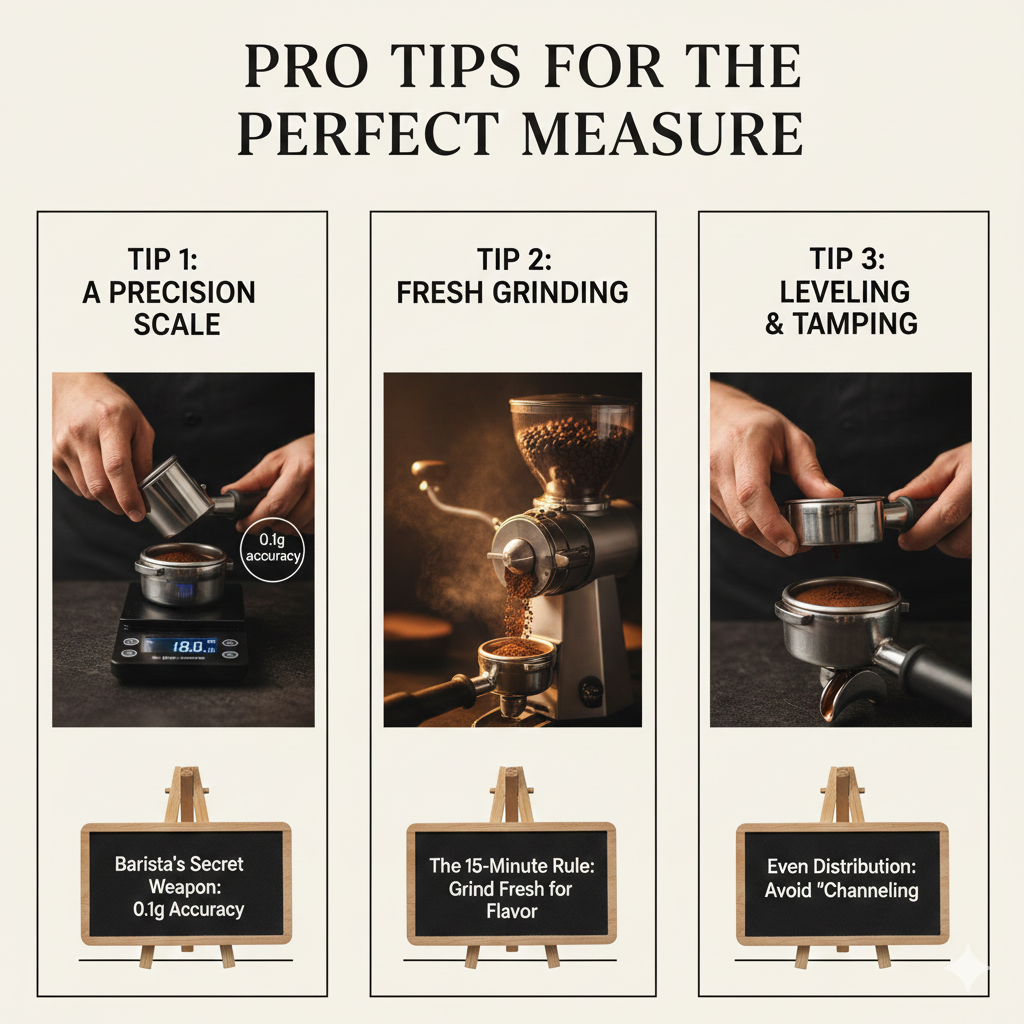
Eyeballing your dose might seem easy, but a digital scale with 0.1g accuracy is a serious enthusiast’s “secret weapon.” Arabica beans and Robusta beans have different volumes, so a scale ensures you hit your target brew ratio every time. Without one, you might end up with too much caffeine in your single shot or a diluted cup of coffee. Consistency starts with weight, not volume.
Fresh Grinding: The 15-Minute Rule
To get the most out of the best coffee beans, you should only grind what you need, right before you brew. Coffee begins to oxidize and lose its complex flavor profile within 15 minutes of being ground. If you are serious about your Espresso Coffee, avoid pre-ground bags and invest in a quality grinder. Stay away from blade grinders, as they produce uneven chunks; instead, choose a burr model to ensure you get finely ground coffee that facilitates a balanced espresso extraction. Starting with whole bean fresh coffee is the easiest way to improve the quality of your coffee drinks.
Leveling and Tamping
Once you have the correct number of beans ground and in your double basket, you must ensure they are distributed evenly. If the coffee grounds are packed lopsidedly, the water will find the path of least resistance—a problem known as “channeling.” This leads to an uneven extraction process where some grounds are over-processed while others are ignored. After leveling, apply firm, even pressure to the coffee bed. This preparation, combined with the correct brewing temperature and stable water temperature, ensures that when you engage the group head, you pull a perfect espresso shot.
Don’t forget to keep your drip tray clean and warm up your espresso cups before brewing to maintain the heat of your liquid gold. For more technical details on the science of the perfect pour, you can check out this detailed guide on pulling the perfect espresso shot.
Frequently Asked Questions (FAQs)
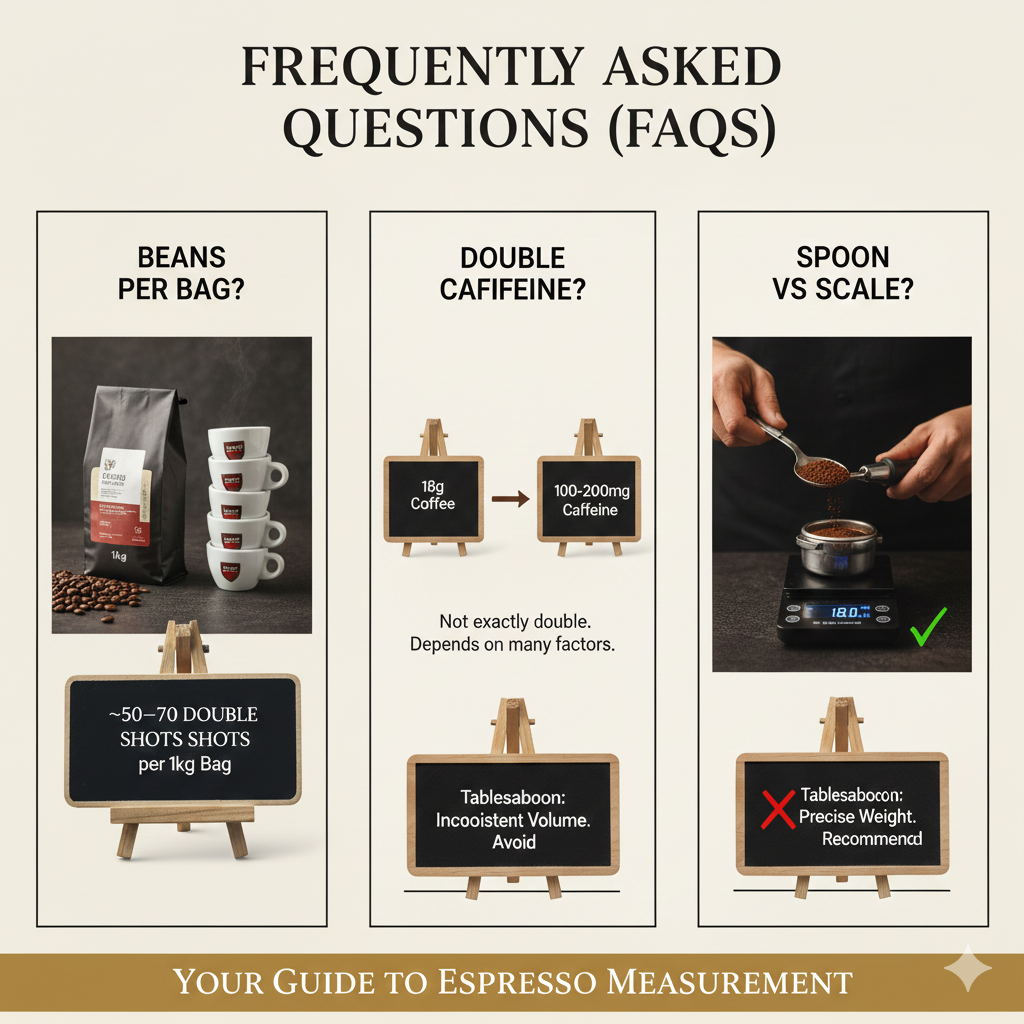
How many shots can I get from a 1kg bag of beans?
When calculating your yield from a 1kg (1,000g) bag of roasted coffee, the answer depends on your coffee dose. If you are pulling a standard shot of 18 grams in a double basket, you can expect to get approximately 55 double shots. For those who prefer a single shot using a single basket (roughly 9 grams), you could potentially reach over 110 servings. However, remember to account for a bit of waste during the dialing in process or when purging your Espresso Grinder.
Does a double shot have double the caffeine?
Not necessarily. While a double shot uses twice the weight of a single shot, the amount of caffeine depends on the espresso blends and the type of coffee used. For example, Robusta beans contain significantly much caffeine compared to Arabica. If your triple shot is made with high-quality Arabica, it might actually have less caffeine than a double shot made with a Robusta-heavy blend. The extraction process and shot time also play a role in how the caffeine is released into your fluid ounce of liquid.
Can I use a tablespoon instead of a scale?
While you can use a tablespoon, it is highly discouraged for those seeking a perfect shot of espresso. Volumetric measuring is imprecise because the shot volume of beans changes based on the roast level; darker roasts take up more space than light ones. Relying on a tablespoon often leads to inconsistent brew ratio results, making it difficult to replicate your selection results from one day to the next. For better accuracy in your Coffee Recipes, a scale is the only way to go.
Is the process the same for other brewing methods?
The principles of the Golden Ratio apply to many methods, though the specific grams change. Whether you are using a French press, a Moka pot, or a traditional drip coffee maker, weighing your coffee against the temperature of the water is vital. Unlike the high pressure environment of an espresso machine, methods like brewed coffee or a French press require a coarser grind and a different water temperature to achieve the best taste preferences.
Conclusion
Mastering the art of espresso is a journey that begins with a single measurement. Throughout this guide, we have explored the nuances of dosing, from the number of beans used to the mechanical constraints of your basket size. However, if you are looking for a place to start, always return to the “Golden Rule” of the coffee industry: start with an 18-gram dose for a standard double. Using this as your baseline—ideally aiming for a 1:2 brew ratio—provides a solid foundation for achieving a balanced espresso extraction.
Taste is King
While the technical data is essential, never forget that your own taste preferences are the ultimate guide. Coffee is a deeply personal coffee experience, and what works for a professional coffee shop may need slight adjustments for your home setup. If a 1:2 espresso ratio tastes too intense, don’t be afraid to experiment with a longer brew time or a different coffee brewing method. Whether you enjoy a traditional standard espresso or a refreshing Iced Coffee, the goal is to create a favorite coffee that you look forward to every morning.
Final Takeaway: Precision Leads to Better Coffee
The shift from measuring by volume to measuring by weight is the single biggest step a home barista can take. By using a coffee scale, you remove the guesswork caused by variations in bean size and bean varieties. Whether you are brewing a concentrated triple shot or a smoother brewed coffee using a French press, precision ensures consistency. When you control variables like the water temperature and the high pressure of the extraction, you unlock the true potential of your coffee beans.
In the end, understanding how many grams in a shot of coffee is about more than just numbers; it’s about the craft of creating the perfect espresso shot every time. So, grab your coffee brewing equipment, select your favorite espresso blends, and start brewing. Remember, Free shipping is often available for those looking to stock up on the best coffee beans online to keep their coffee consumption steady. Happy brewing!