

Best Coffee Beans Australia: My Failures & Top Picks
This isn’t just another generic guide. This is coming from someone who has wasted hundreds of dollars on “premium” bags that tasted like burnt rubber and spent way too many mornings staring at a $1,000 espresso machine wondering why the coffee tasted like battery acid.
Table Of Content
- My “Burnt” Backstory: A Real Lesson
- Don’t Fall for the “Fancy” Name
- The Roast Level (and the Mistake I Made)
- Freshness is Everything (Seriously)
- Practical Tips from my Kitchen
- Why Buy Local?
- FAQs (The Stuff People Actually Ask)
- 1. Is expensive coffee actually better?
- 2. How much coffee should I buy at once?
- 3. What is the best way to brew at home?
- 4. Can I use espresso beans for filter coffee?
- 5. Why does my coffee taste sour?
- Ready to stop drinking brown water?
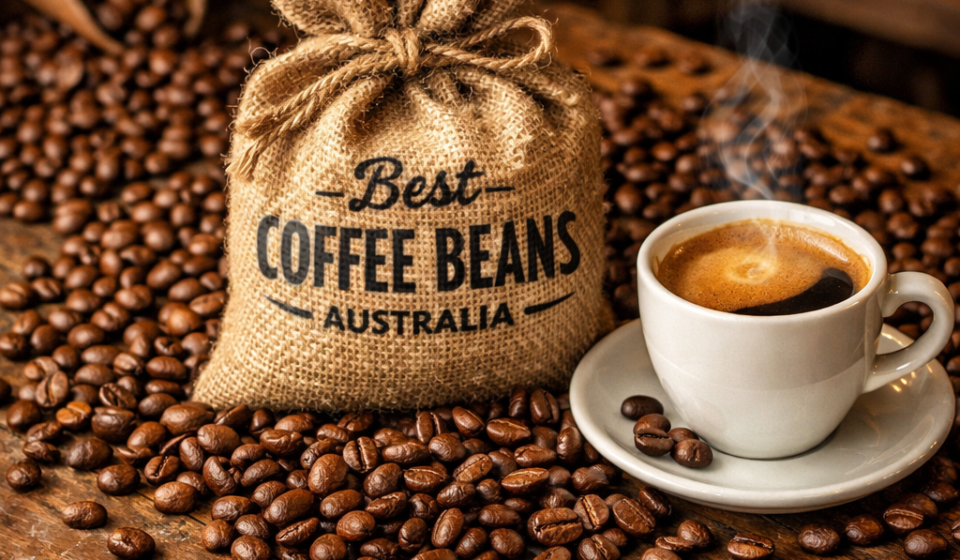
If you’re looking for the Best Coffee Beans Australia has to offer, let me save you the heartbreak (and the money) I went through.
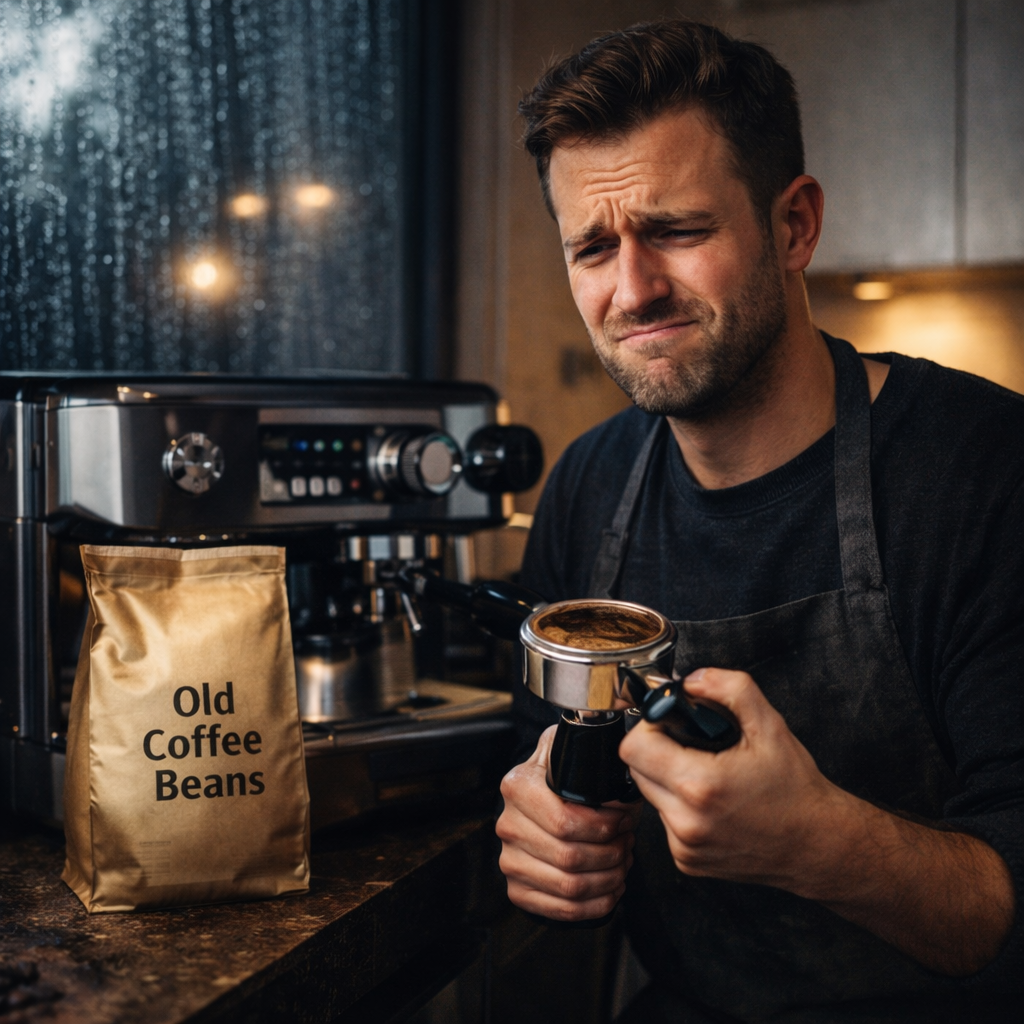
My “Burnt” Backstory: A Real Lesson
A few months ago, when it was raining non-stop here in Melbourne, I was desperate for a good cup. I ran into a local shop and grabbed a bag because the packaging looked “aesthetic.” Big mistake.
I got home, dialed in my grinder, and took a sip. It was so bitter I actually thought something had crawled into my machine and died. I was so annoyed I felt like driving back through the rain just to ask the roaster if they’d used a blowtorch on the beans.
The Lesson: Never buy coffee based on a pretty bag. I checked the back later the “roast date” was six months ago. In my experience as a homeowner who takes his caffeine seriously, old beans are just expensive compost.
Don’t Fall for the “Fancy” Name
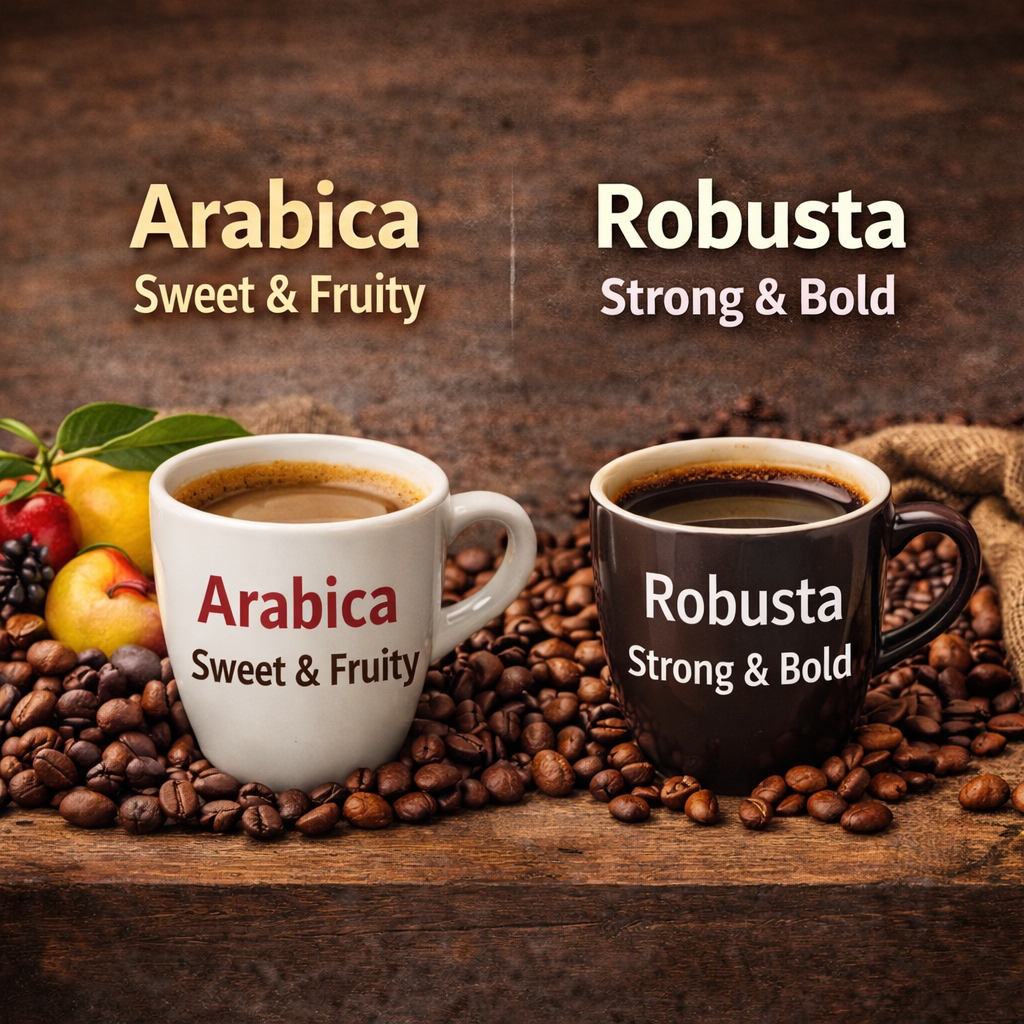
You’ll see Arabica and Robusta everywhere. Most people say Arabica is “king,” but honestly? It depends on your mood.
- Arabica: Sweet, fruity, sophisticated. Great for when you want to feel fancy.
- Robusta: High caffeine, thick crema, tastes “strong.”
I used to be a total coffee snob and only drank light-roast Arabica. Then, one Monday morning when I hadn’t slept, I realized I didn’t want “notes of jasmine”; I wanted a punch in the face. A high-quality blend with a bit of Robusta is actually great for that.
The Roast Level (and the Mistake I Made)
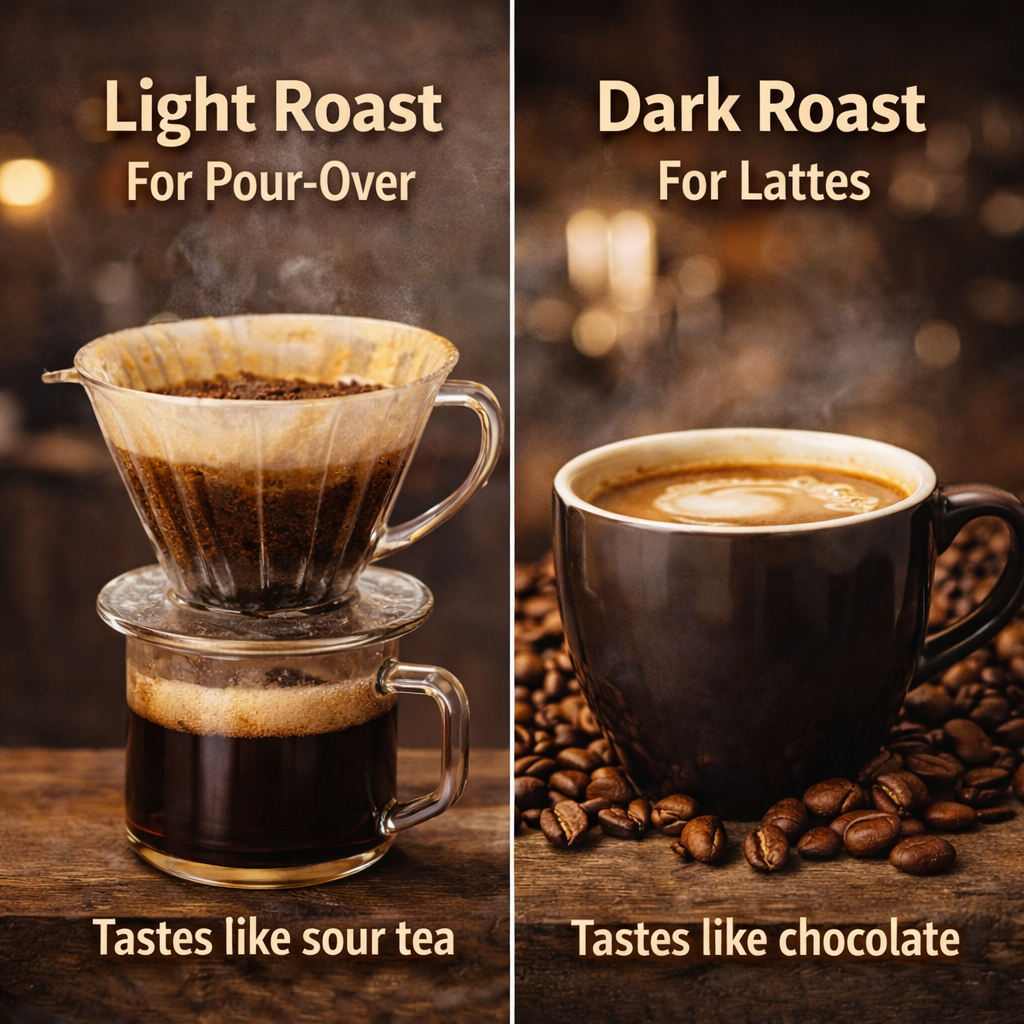
Here is a mistake I see everyone make: buying Dark Roast for a pour-over or Light Roast for a milky latte.
- Light Roast: Tastes like tea/fruit. Don’t put milk in this; it’ll taste sour and weird.
- Dark Roast: Tastes like chocolate and smoke. Perfect if you use a lot of milk.
I once tried to make a ‘Magic’ using a very light Ethiopian bean. It tasted like hot, curdled lemon juice. If you want to avoid this, it’s worth learning more about how coffee origins affect flavor before you brew.
Wait, have you tried the “Magic” yet? It’s a Melbourne cult classic—a double ristretto topped with flat white milk. After my “lemon juice” disaster, I finally figured out the secret to getting it right. If you want to skip my mistakes, you can learn How to Make a Magic Coffee here and craft that velvety drink at home. Trust me, it’s a game-changer if you use the right beans.
Freshness is Everything (Seriously)
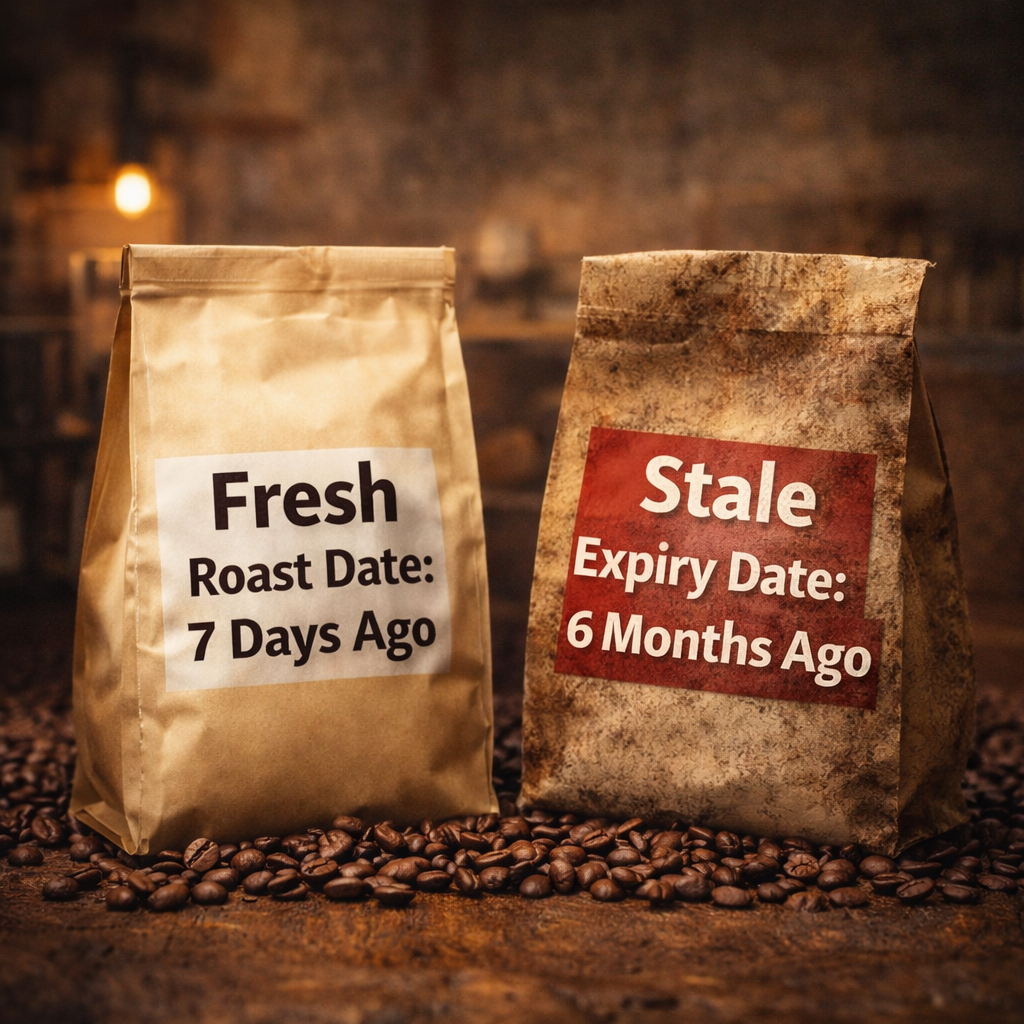
The Best Coffee Beans Australia provides are the ones roasted near you. Coffee is a living thing. After about 4 weeks, the oils go rancid and the “soul” of the bean leaves.
- Check the Roast Date: If it only has an “Expiry Date,” put it back. That’s a trap.
- Whole Bean vs Ground: Buy a cheap grinder if you have to. Grinding beans right before you brew is the single biggest “hack” for better taste.
Practical Tips from my Kitchen
I’ve learned the hard way that even the best beans can be ruined.
- Storage: Keep them in a dark, airtight container. I used to put mine in the fridge because I heard it keeps them fresh—turns out, the moisture in the fridge ruins them instantly. Don’t do it!
- Water: If your tap water tastes like chlorine, your coffee will too. Use a filter.
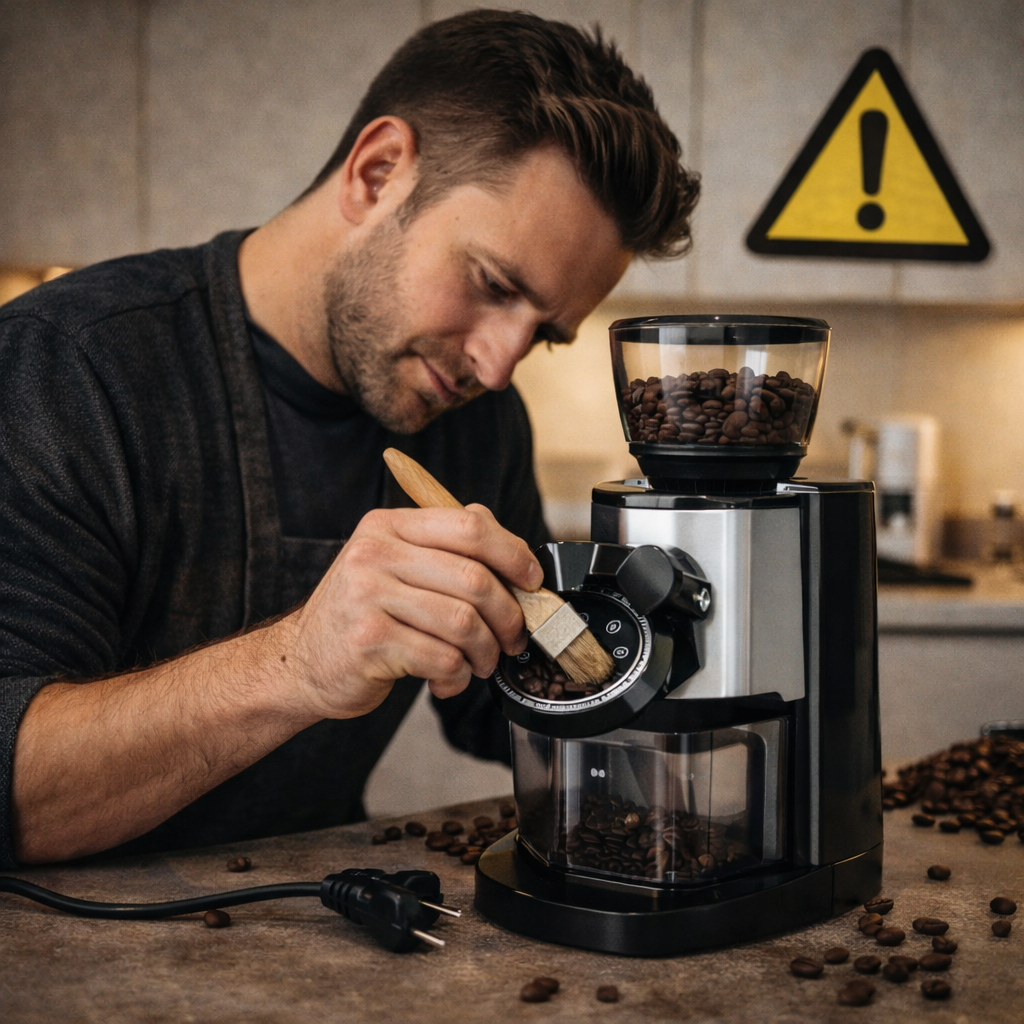
- Safety First: When cleaning your grinder or machine, always unplug it. I once almost lost a fingertip trying to clear a jam while the power was on. Don’t be like me. (Always follow local safety laws and manufacturer manuals for appliance maintenance).
Why Buy Local?
Buying from Australian roasters isn’t just about being a “good citizen.” It’s about transit time. If you order beans from overseas, they sit in hot shipping containers for weeks. By the time they hit your doorstep, they’re dead. Finding the Best Coffee Beans Australia means looking for someone roasting in your state, whether you’re in the humid tropics of QLD or the chilly cafes of Victoria.
FAQs (The Stuff People Actually Ask)
1. Is expensive coffee actually better?
Mostly, yes. Cheap supermarket coffee is often “commodity grade,” meaning it’s floor sweepings roasted until they’re black to hide the bad flavor.
2. How much coffee should I buy at once?
Only what you can drink in 2 weeks. Buying the “bulk 2 kg bag” is a waste of money because the last 1 kg will taste like cardboard.
3. What is the best way to brew at home?
If you’re lazy (like me on Sundays), a French press is foolproof. If you want to be a scientist, go for a V60 pour-over.
4. Can I use espresso beans for filter coffee?
You can, but it’ll be very intense. Espresso roasts are usually developed longer. It might be a bit “much” for a morning drip coffee.
5. Why does my coffee taste sour?
Usually, it means the water wasn’t hot enough or the grind was too coarse. It’s called “under-extraction.” Try a finer grind next time!
Ready to stop drinking brown water?
If you’re tired of guessing, you should probably just try a small taster pack from a local roaster. It’s the easiest way to figure out if you’re a “fruity” or “chocolatey” person without committing to a giant bag.