




How to Plan a Trip: Step-by-Step Guide
Introduction: How to Plan a Trip Like a Pro
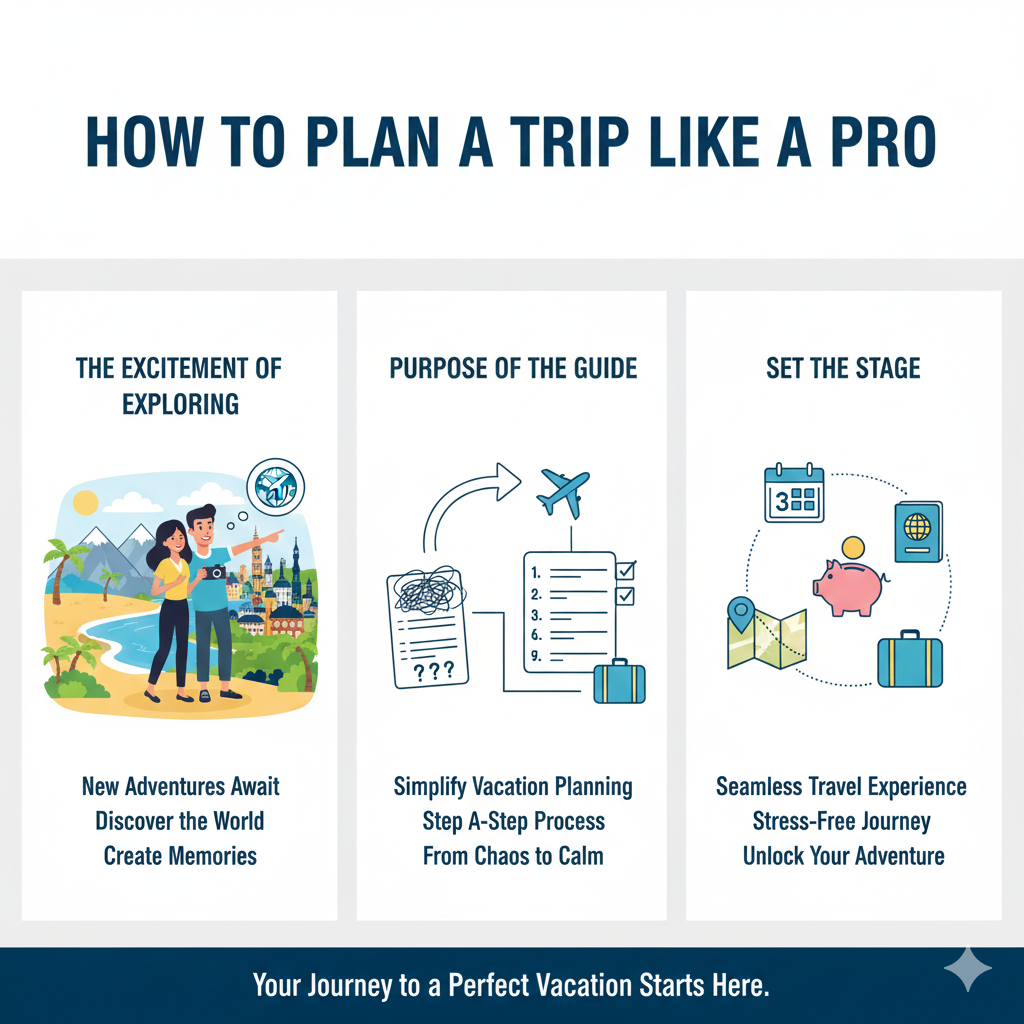
The world is full of new places waiting to be discovered, and there is nothing quite like the travel experience of arriving in a new destination for the first time. Whether someone is dreaming of the rugged landscapes of the United States, the historic charm of Europe, or the vibrant streets of Vietnam, the first thing to realize is that a great adventure starts long before reaching the train station or airport. Exploring new places offers a unique thrill, but the secret to enjoying every moment lies in the preparation.
Table Of Content
- A Step-by-Step Guide to Vacation Planning
- Setting the Stage for a Seamless Travel Experience
- Step 1: Defining Your Travel Style and Budget
- Understanding Your Travel Style
- Establishing a Realistic Travel Budget
- Determining How Much Time You Have
- Step 2: Deciding “Where” to Go
- Researching Potential Travel Destinations
- Using Travel Guides and Travel Bloggers for Trip Ideas
- Considering the Best Time to Visit Your Chosen Location
- Step 3: Logistics Booking Flights and Transport
- How to Find the Best Flight Deals and Book Flights Early
- The Best Way to Navigate Transportation: Car Rental vs. Public Transit
- Planning the Best Route for Your Journey
- Step 4: Documentation and Visa Requirements
- Checking Visa Requirements for International Trips
- Organizing Essential Travel Documents (Passports, IDs, and Backup Copies)
- Reviewing Cancellation Policies for Bookings
- Step 5: Creating Your Travel Itinerary
- Using a Trip Planner Tool to Organize Travel Plans
- Itinerary Planning: Balancing “Must-See” Sights with Relaxation
- How to Plan the Perfect Day Trip and Identify the Best Things to Do
- Step 6: Managing Finances and Credit Cards
- Choosing the Right Travel Credit Card to Earn Rewards
- The Benefits of Using Specific Credit Cards for Travel Insurance
- Tips for Getting the Best Deals While Abroad
- Step 7: Final Preparations and Packing
- Creating Comprehensive Packing Lists Based on Your Destination
- Ensuring Easy Access to Your Email Address and Digital Itineraries
- Final Travel Tips for First-timers to Ensure a Smooth Travel Day
- Conclusion: Executing Your Travel Plans
- Recap of the Planning Process
- The Value of Preparation in Creating Lasting Memories
- Final Encouragement to Start Your Next Adventure
- Frequently Asked Questions (FAQs)
- 1. What is the best way to start international travel?
- 2. How much money should I save for a big trip?
- 3. Can a travel agent help with a detailed itinerary?
- 4. Is Costa Rica a good destination for families?
- 5. What should I do if I need to cancel?
A Step-by-Step Guide to Vacation Planning
For many, the idea of planning trips feels overwhelming, but this step-by-step guide is designed to simplify the entire process. Vacation planning should be an enjoyable part of the journey, not a chore. By breaking down the logistics—from initial trip ideas to final packing lists—travelers can ensure they have easy access to everything they need. This guide provides a clear best way to organize travel plans, ensuring that no detail, from visa requirements to flight deals, is overlooked.
Setting the Stage for a Seamless Travel Experience
The goal of a well-thought-out trip planner approach is to create a seamless travel day and an even better stay. When travelers take a lot of time to research best places like San Francisco or iconic landmarks like Machu Picchu, they set themselves up for success. Having a solid plan means having have access to the best travel tips and TravelHacks that seasoned travel bloggers swear by. By the end of this guide, even first-timers will feel like they have the expertise of a professional travel agent, ready to embark on a kind of trip that creates memories for a lifetime.
Step 1: Defining Your Travel Style and Budget
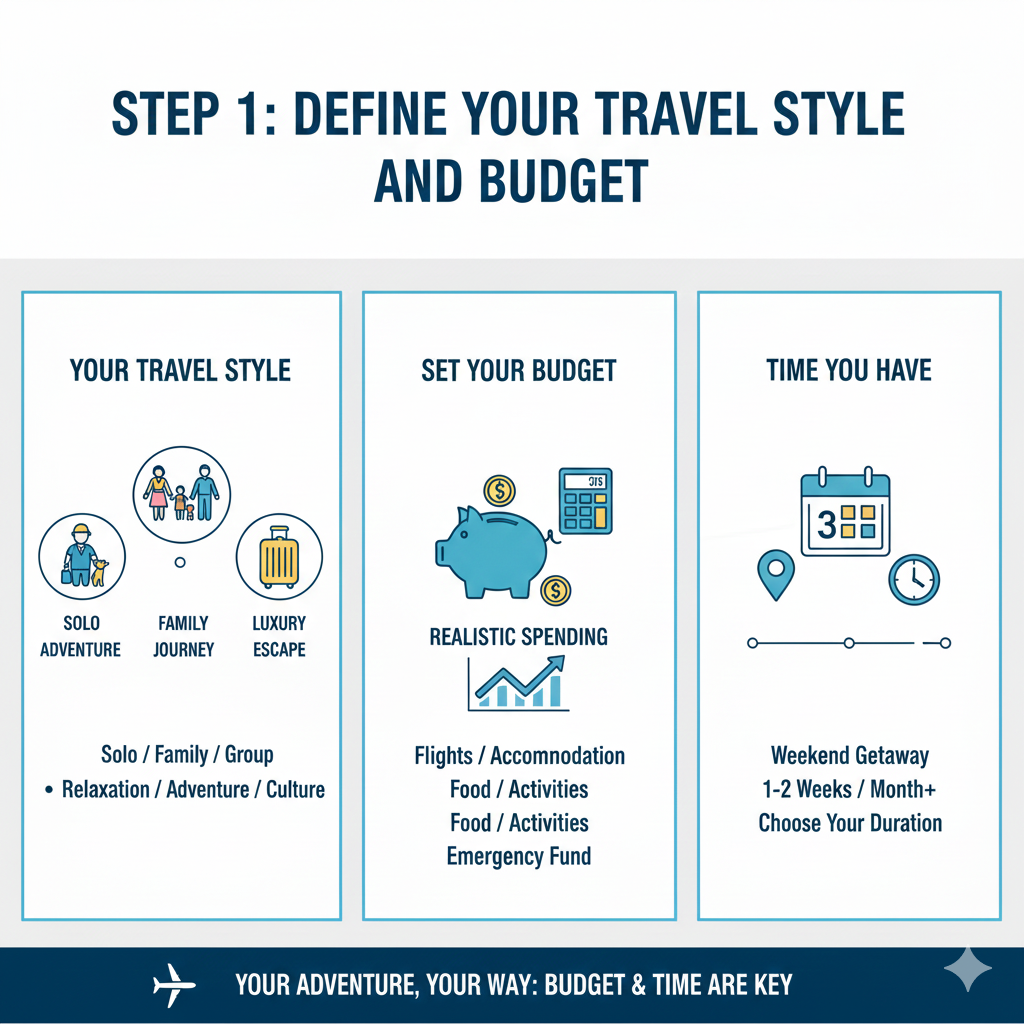
Before diving into the deep end of bookings, one must pause to consider the kind of trip they truly want. Every traveler is different, and understanding the specific travel style that fits the current mood or group dynamic is essential. Whether someone is leaning toward the independence of solo travel, coordinating with family members for a large family trip, or indulging in a high-end luxury getaway, the approach to how to plan a trip will change significantly based on these choices.
Understanding Your Travel Style
Defining a travel style helps narrow down the endless options available. Some might prefer the fast-paced energy of visiting multiple travel destinations, while others want to settle into one spot and explore it deeply. It is a good idea to consult travel guides or read various blog posts from travel bloggers to see what resonates. Discussing preferences with each other ensures that everyone involved in the vacation planning is on the same page. Knowing if the goal is relaxation or a jam-packed travel itinerary is the best way to start.
Establishing a Realistic Travel Budget
Once the style is set, it is time to talk numbers. Creating a solid travel budget is perhaps the most critical part of planning trips. This budget should account for everything from big-ticket items like book flights and vacation rental costs to smaller daily expenses. Smart travelers often look for a better deal by monitoring prices on Google Flights or looking for best deals on accommodation. If the budget is tight, one might focus on a day trip closer to home or look for a last-minute discount to save money. Using specific credit cards designed for rewards can also help offset costs, especially if a travel credit card offers points for future use.
Determining How Much Time You Have
Time is the final piece of the puzzle. A traveler needs to decide how much time they can realistically dedicate to the journey. Is this a quick weekend escape or a long-term exploration of a foreign country? Understanding the travel time required to reach a destination and move between locations is vital for Itinerary Planning. If someone has a lot of time, they can afford to be flexible, perhaps even visiting a travel agent to see if they can find a unique travel experience that fits a longer window. If time is short, focusing on a single new destination ensures the pace remains enjoyable rather than exhausting.
Step 2: Deciding “Where” to Go
Once the foundation is laid, the most exciting question arises: where should the journey lead? Choosing a location is about more than just picking a spot on a map; it is about matching a destination to the traveler’s specific goals. Whether one is looking for a bustling metropolis or a quiet retreat, the process of narrowing down where to spend those precious vacation days requires a bit of curiosity and exploration.
Researching Potential Travel Destinations
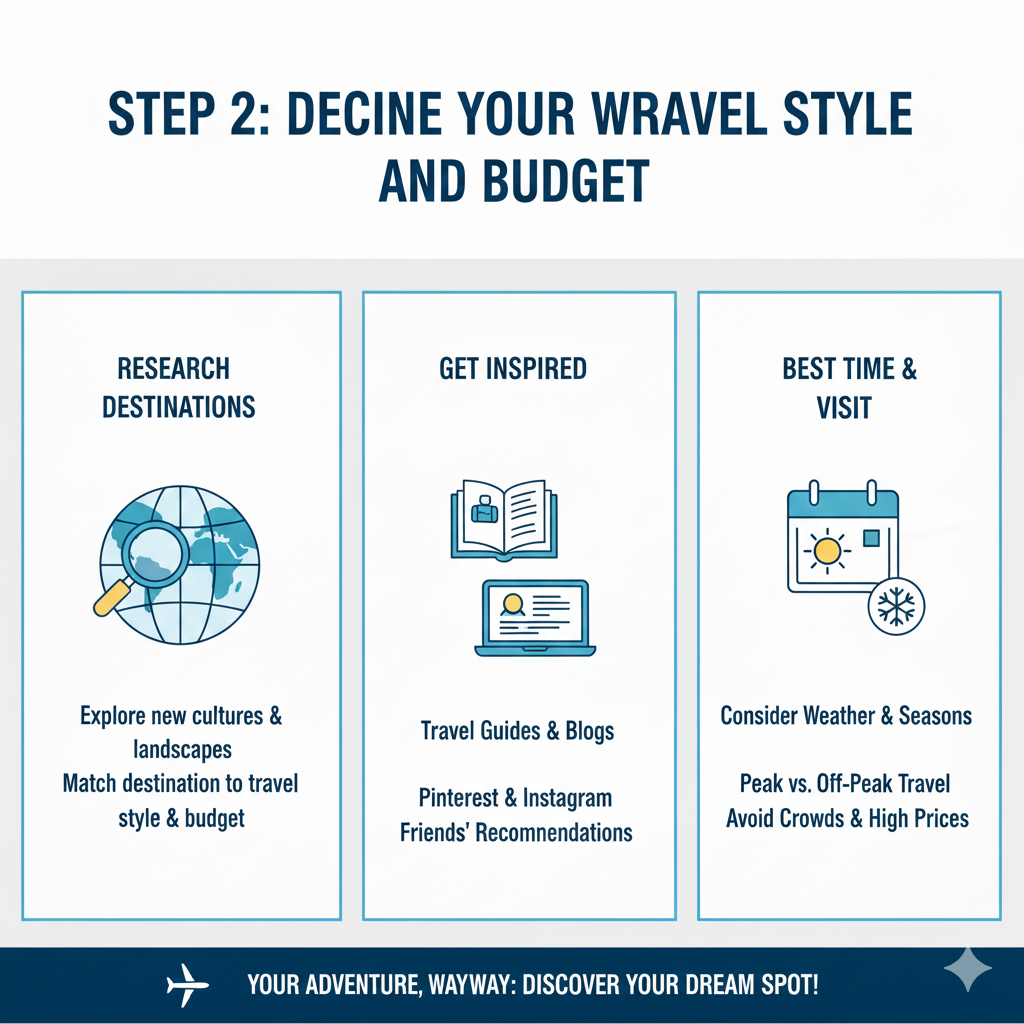
The world is vast, making the selection of travel destinations both thrilling and difficult. A great way to start is by looking at best places that align with one’s interests. For instance, those fascinated by history might look toward the ancient wonders of Machu Picchu, while urban explorers might find themselves drawn to the hilly streets of San Francisco. If someone is looking for a blend of culture and natural beauty, Vietnam often tops the list. During this phase, it is helpful to keep a digital folder in Google Drive to save screenshots or links of new places that catch the eye, ensuring easy access to inspiration later on.
Using Travel Guides and Travel Bloggers for Trip Ideas
To get a real sense of a location, one should dive into the wealth of information provided by travel guides and guidebooks. These resources offer professional insights, but for a more personal touch, following travel bloggers is invaluable. They often share unique trip ideas and TravelHacks that aren’t found in traditional media. Reading a variety of blog posts helps a traveler understand the local vibe and discover hidden gems. Websites like TripAdvisor are also excellent for reading reviews from fellow travelers to see if a specific new destination truly lives up to the hype.
Considering the Best Time to Visit Your Chosen Location
Timing is everything when it comes to vacation planning. One must research the best time to visit to ensure the weather and local conditions are ideal. For example, visiting the United States can offer vastly different experiences depending on the season, from snowy winters to humid summers. Understanding the peak and off-peak seasons is essential for how to plan a trip effectively, as it affects both the crowds and the cost. Checking the best time for a day trip to popular landmarks can prevent the disappointment of seasonal closures. Once the destination and timing are set, the traveler is ready to move from dreaming to doing.
Step 3: Logistics Booking Flights and Transport
Once the destination is chosen, the focus shifts to the logistical backbone of the journey. This phase of how to plan a trip requires a balance of speed and strategy. Securing transportation is often the most expensive part of vacation planning, so taking a systematic approach ensures that the budget remains intact while the travel experience stays comfortable.
How to Find the Best Flight Deals and Book Flights Early
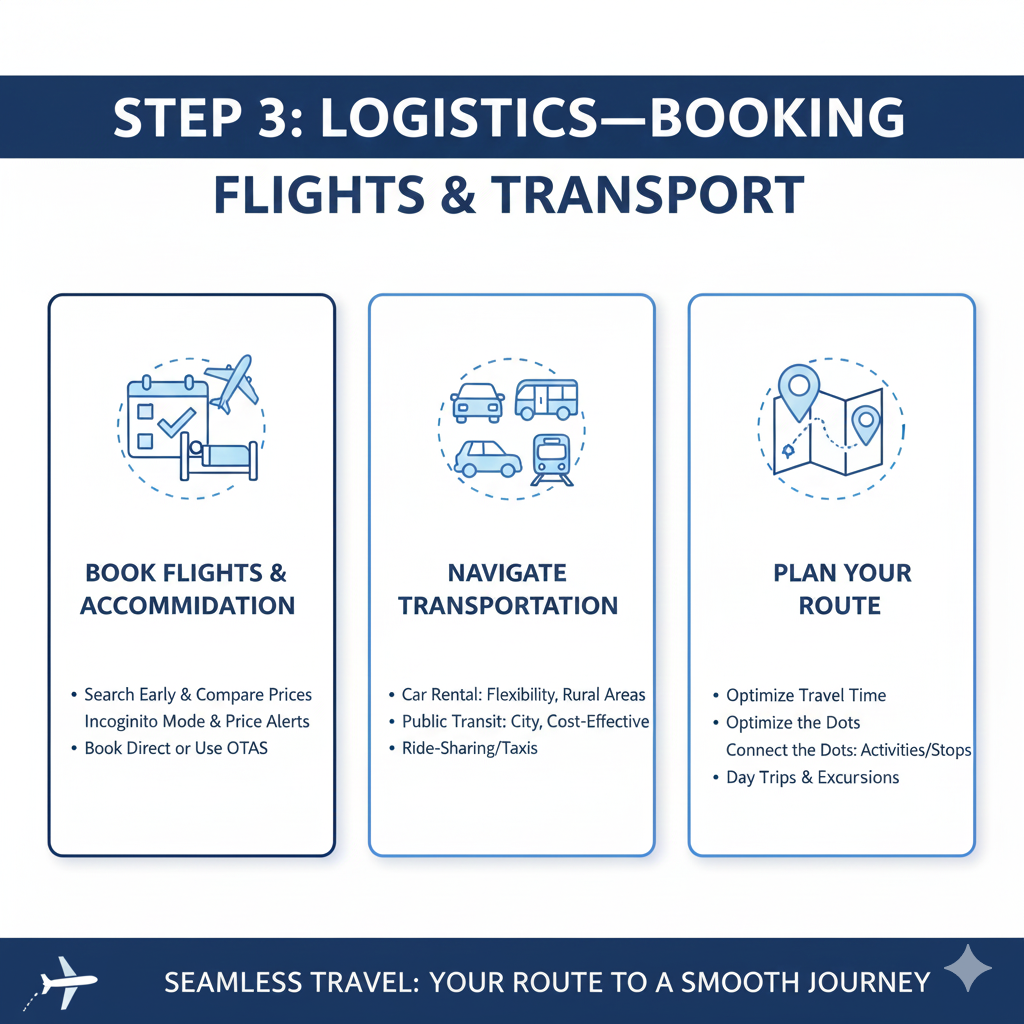
The early bird truly gets the worm when it comes to airfare. To find the most competitive flight deals, travelers should start their search as soon as their dates are firm. Utilizing tools like Google Flights allows one to track price fluctuations over time, ensuring they book flights at the optimal moment. It is often a better deal to book midweek rather than on weekends. Additionally, checking TripAdvisor for airline reviews can help a traveler decide if a specific carrier offers the easy access and comfort they desire. For those looking to maximize savings, searching for a discount or using points from a travel credit card can significantly reduce the total cost of international trips.
The Best Way to Navigate Transportation: Car Rental vs. Public Transit
Upon arrival, the best way to get around depends heavily on the location. In sprawling areas or rural landscapes, a rental car is often a necessity. Choosing a reliable car rental service gives travelers the freedom to explore at their own pace without being tied to a schedule. On the other hand, in dense cities, public transportation like the local train station network might be more efficient. Deciding between a rental car and transit is a key part of itinerary planning, as it impacts both the travel time and the overall flexibility of the travel plans.
Planning the Best Route for Your Journey
Mapping out the best route is the final logistical hurdle. This isn’t just about getting from point A to point B; it’s about optimizing the journey to see the best things along the way. Whether navigating by car or rail, travelers should consider the travel time between stops to avoid burnout. Using a digital trip planner can help visualize the path and identify where a day trip might be feasible. By organizing these details early, the traveler ensures a smooth transition between destinations, leaving more room to enjoy the new places they are visiting for the first time.
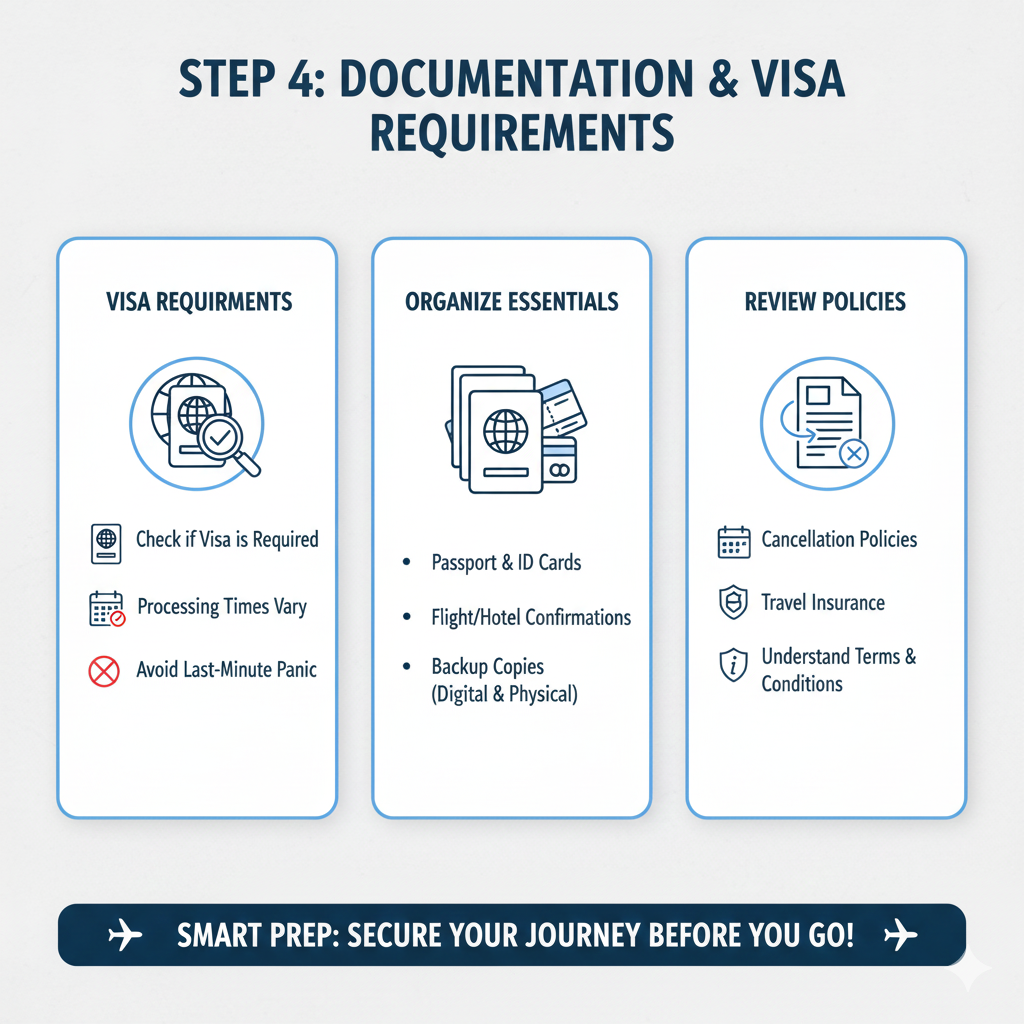
Step 4: Documentation and Visa Requirements
When considering how to plan a trip, especially one that crosses borders, the legal and administrative details are paramount. Navigating the paperwork correctly ensures that international trips proceed without a hitch at immigration or check-in counters. A proactive approach to documentation is the best way to avoid unnecessary stress during the travel day.
Checking Visa Requirements for International Trips
Before finalizing any travel plans, it is vital to research the visa requirements for the chosen foreign country. Rules can vary significantly based on a traveler’s citizenship and the nature of the visit. Some countries offer a simple e-visa or visa-on-arrival, while others require a formal application through an embassy well in advance. Consulting a travel agent or official government portals is a good idea to ensure the information is current. For those visiting the United States or similar regions, understanding the specific entry permits is a crucial part of vacation planning.
Organizing Essential Travel Documents (Passports, IDs, and Backup Copies)
Having easy access to the right paperwork is essential. Travelers should ensure their passport is valid for at least six months beyond their return date. Along with primary IDs, keeping digital and physical backup copies is one of the most important travel tips. Storing digital scans in a secure cloud service like Google Drive ensures they are available even if physical bags are lost. It is also wise to keep a list of emergency contacts and an email address for the local consulate. Organizing these travel documents early allows for a smooth travel experience from start to finish.
Reviewing Cancellation Policies for Bookings
The reality of travel is that plans can change unexpectedly. Therefore, a key step in planning trips is carefully reviewing the cancellation policies for every reservation made. Whether it is a hotel room, a vacation rental, or a rental car, knowing the deadline for a full refund is critical for financial protection. Many credit cards offer built-in travel insurance, but it is still important to understand the specific terms of the cancellation policies set by the providers. Confirming these details and keeping a record of them in a trip planner provides peace of mind, especially for last-minute changes.
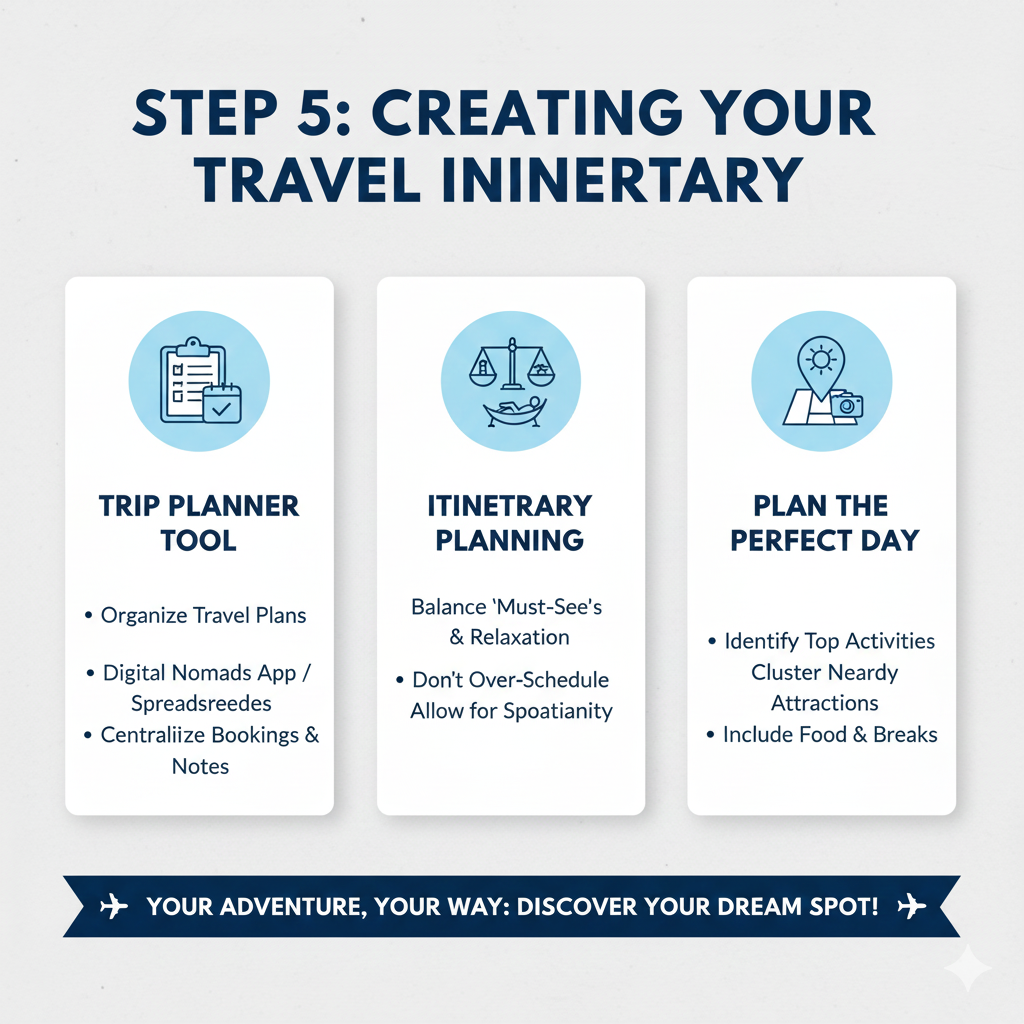
Step 5: Creating Your Travel Itinerary
This is the stage where your vision for how to plan a trip truly takes shape. Transforming a list of trip ideas into a functional schedule is both an art and a science. A well-crafted travel itinerary serves as a roadmap, ensuring that you don’t miss out on any best things while maintaining enough flexibility to embrace the unexpected moments that make a travel experience special.
Using a Trip Planner Tool to Organize Travel Plans
In the digital age, the best way to keep track of your moving parts is by using a dedicated trip planner. Whether you prefer an app or a simple spreadsheet in Google Drive, having one central location for your travel plans is essential. These tools allow you to input flight times, hotel room confirmations, and tour bookings. Many modern planners even provide easy access to maps and offline versions of your schedule. By utilizing a trip planner, you can see gaps in your timing and ensure you have enough time to move between different travel destinations without feeling rushed.
Itinerary Planning: Balancing “Must-See” Sights with Relaxation
One of the most common mistakes first-timers make is over-scheduling. Effective Itinerary Planning requires a delicate balance between hitting the “Must-See” landmarks and allowing for downtime. While it is tempting to see every site listed in travel guides, it is a good idea to limit yourself to one or two major activities per day. This approach leaves room to enjoy a long lunch or wander through new places you discover by chance. Remember, the goal of vacation planning is to return home refreshed, not exhausted from a schedule that was too tight.
How to Plan the Perfect Day Trip and Identify the Best Things to Do
Identifying the best things to do in a specific area often involves looking beyond the surface. Scouring blog posts from travel bloggers and checking updated rankings on TripAdvisor can reveal incredible local spots. When you find a location that warrants a deeper look, you can organize a day trip dedicated to that specific area. To plan the perfect day trip, consider the travel time from your home base and whether a rental car is necessary for the best route. Focusing on quality over quantity ensures that each activity contributes meaningfully to your overall travel plans.
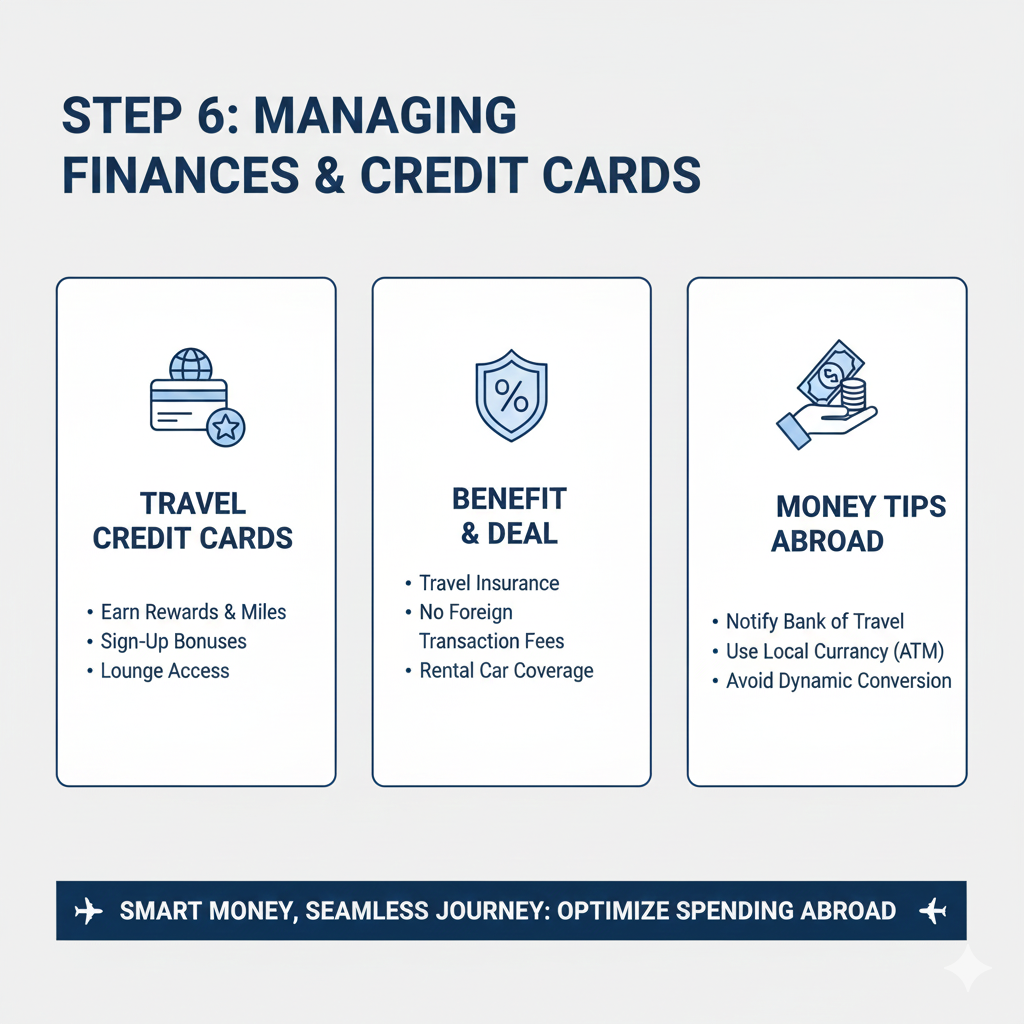
Step 6: Managing Finances and Credit Cards
Managing money effectively is a core component of how to plan a trip without financial stress. While establishing a travel budget is the first step, the tools used to spend that money can make a significant difference in the overall value of the journey. Smart financial management allows travelers to stretch their funds further, often leading to a better deal on future adventures through savvy reward systems.
Choosing the Right Travel Credit Card to Earn Rewards
One of the most effective TravelHacks used by seasoned explorers is the strategic use of credit cards. Choosing a dedicated travel credit card can turn everyday spending into points or miles that can be used to book flights or secure a vacation rental for free. When selecting a card, it is a good idea to look for sign-up bonuses that offer a discount on initial travel costs. These rewards programs are designed to enhance the travel experience, allowing even first-timers to enjoy perks like lounge access or priority boarding.
The Benefits of Using Specific Credit Cards for Travel Insurance
Beyond rewards, specific credit cards provide essential protection. Many premium cards include built-in coverage for cancellation policies, trip delays, and lost luggage, which can save a traveler a lot of time and money during a crisis. Another crucial feature to look for is the absence of foreign transaction fees. Using a card that waives these fees is the best way to ensure that every purchase in a foreign country doesn’t come with an hidden 3% surcharge. This ensures easy access to your funds without being penalized for where you spend them.
Tips for Getting the Best Deals While Abroad
To get the best deals while on the ground, one should remain observant and flexible. It is often cheaper to withdraw local currency from an ATM at a train station rather than using a currency exchange kiosk. Additionally, checking sites like TripAdvisor can help you find affordable dining and activities that offer the most value. For those looking for a last-minute bargain, some travel bloggers suggest visiting local markets or using apps to find end-of-day discounts on tours. By combining these tips with a solid travel credit card strategy, travelers can ensure their travel plans remain cost-effective.
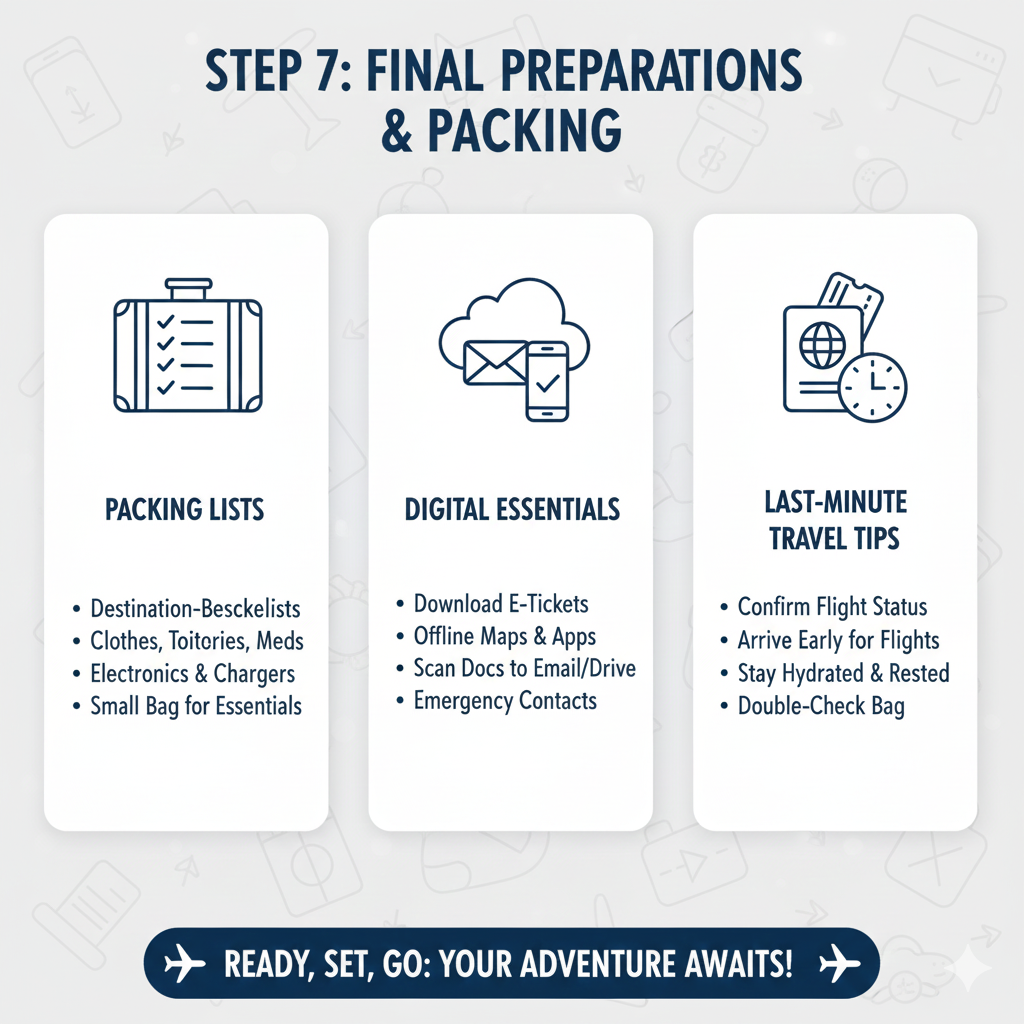
Step 7: Final Preparations and Packing
As the departure date approaches, the final phase of how to plan a trip shifts toward physical preparation. This is the moment to consolidate all the hard work done during the vacation planning stage into a suitcase and a digital device. Proper preparation at this point ensures that once the travel day arrives, the traveler can focus entirely on the travel experience rather than worrying about forgotten essentials.
Creating Comprehensive Packing Lists Based on Your Destination
The key to efficient packing is customization. One should develop packing lists that are specifically tailored to the climate and activities of their travel destinations. For example, a family trip to the beach requires vastly different gear than a solo travel trek through Vietnam. It is a good idea to check the weather forecast one last time to avoid overpacking. Experienced travel bloggers often recommend packing cubes to organize your vacation rental wardrobe, ensuring you don’t spend a lot of time digging through your bags for a specific item.
Ensuring Easy Access to Your Email Address and Digital Itineraries
In our digital world, having easy access to information is a safety requirement. Most bookings are sent directly to a traveler’s email address, so ensuring that the inbox is organized and accessible offline is vital. All digital travel plans, including your travel itinerary and visa requirements, should be saved in a dedicated folder or a trip planner app. This allows you to provide proof of onward travel or accommodation to officials without needing a stable internet connection. Having a backup of these files in Google Drive acts as an extra layer of security.
Final Travel Tips for First-timers to Ensure a Smooth Travel Day
For first-timers, the actual travel day can be the most nerve-wracking part of the process. One of the most important travel tips is to arrive at the airport or train station much earlier than necessary to account for last-minute delays. Double-check that your travel documents and credit cards are in a secure yet accessible place. Remember that even the best Itinerary Planning can face hiccups; staying calm and flexible is the best way to handle unexpected changes. By following this step-by-step guide, you ensure that your journey into new places is as smooth and enjoyable as possible.
Conclusion: Executing Your Travel Plans
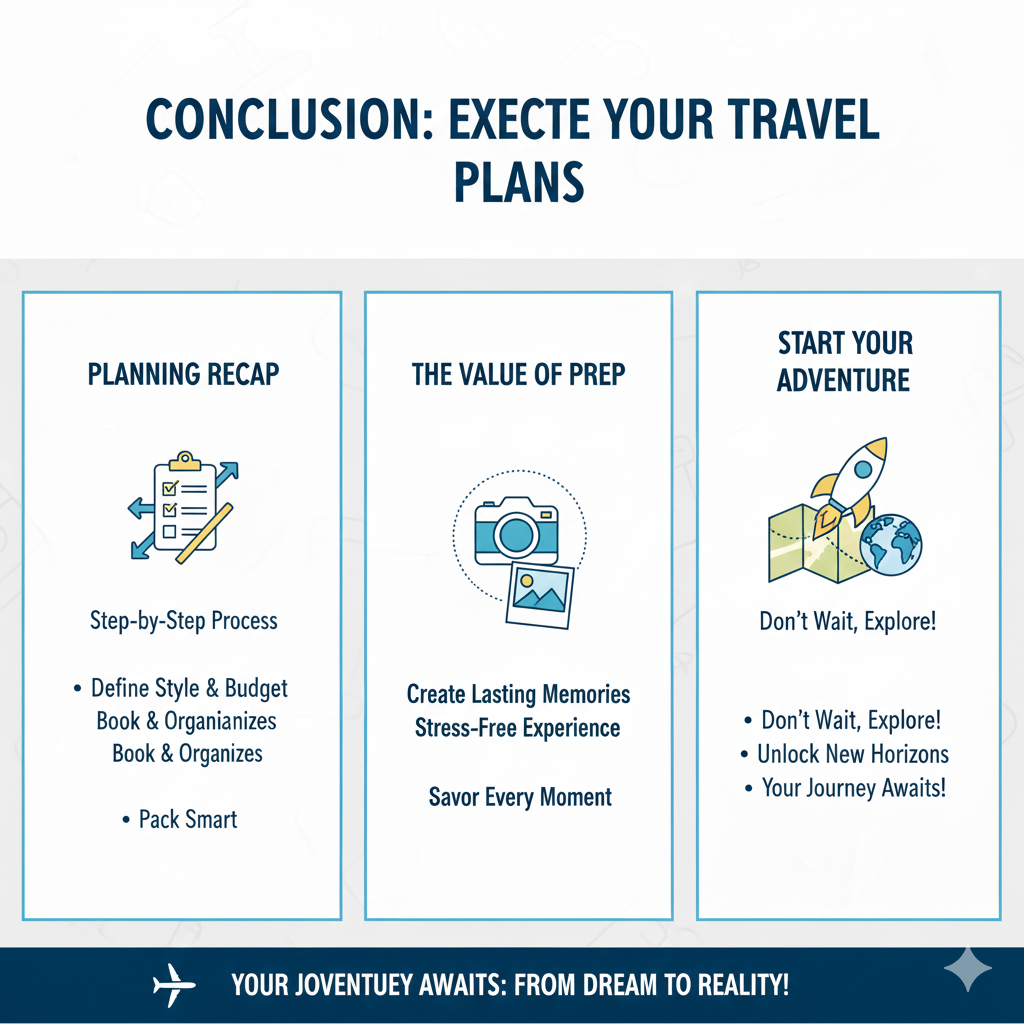
As the final steps of preparation come to a close, the focus shifts from logistical management to the actual execution of your journey. Throughout this step-by-step guide, we have explored how to plan a trip by covering everything from the initial spark of trip ideas to the detailed organization of travel documents. By now, the daunting task of vacation planning has been transformed into a clear, actionable roadmap, ensuring that every detail is in place for a successful departure.
Recap of the Planning Process
The journey began with defining a unique travel style and setting a realistic travel budget. We then navigated the process of researching travel destinations and using tools like Google Flights to secure the best deals on airfare. From there, the focus moved to the importance of Itinerary Planning, balancing “Must-See” attractions with necessary relaxation. We also addressed the critical nature of visa requirements and the strategic use of credit cards to maximize rewards. Every piece of the puzzle, whether it was booking a vacation rental or arranging a rental car, was designed to create a cohesive and manageable travel itinerary.
The Value of Preparation in Creating Lasting Memories
The ultimate goal of this extensive preparation is to safeguard your travel experience. When a traveler takes the lot of time required to organize their travel plans properly, they are essentially buying peace of mind. Knowing that you have easy access to your email address for confirmations and that you have physical backup copies of your IDs allows you to be fully present. Instead of worrying about cancellation policies or navigating a foreign country without a map, you can focus on the best things each destination has to offer, turning simple moments into lifelong memories.
Final Encouragement to Start Your Next Adventure
There is no better time than the present to start turning your dreams into reality. Whether you are a seasoned explorer or one of the many first-timers embarking on a solo travel mission, the world is full of new places ready to be explored. Don’t let the complexity of planning trips hold you back; use the tools at your disposal, from travel guides to a digital trip planner, and take that first step. Your next great adventure is just one flight deal away—so go ahead, finalize those packing lists, and head to the train station. The best way to see the world is simply to start.
Frequently Asked Questions (FAQs)
To ensure all relevant information is covered, here are some common questions regarding how to plan a trip, incorporating additional keywords from your list to provide a comprehensive resource.
1. What is the best way to start international travel?
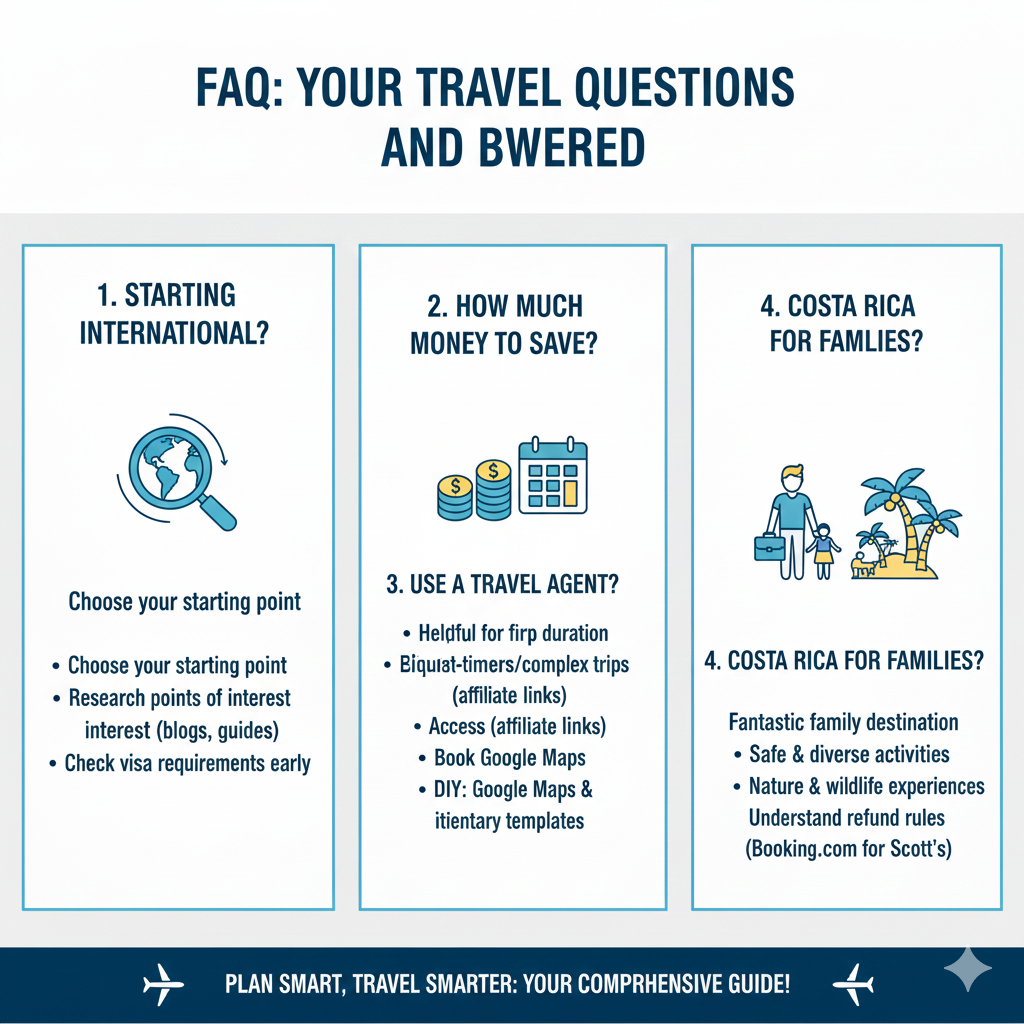
The first step in international travel is choosing a starting point that matches your interests. Whether you are looking at South America, the Czech Republic, or New Zealand, researching points of interest through a travel blog or Lonely Planet is essential. Always check if you need a visa for different countries early in the process.
2. How much money should I save for a big trip?
Determining how much money you need depends on the amount of time you plan to spend abroad. For a big trip, it is wise to calculate daily costs including food, public transportation, and entrance fees to various points of interest. Booking a round-trip flight early can often secure a great deal.
3. Can a travel agent help with a detailed itinerary?
Yes, a travel agent can be very helpful for first-timers or those planning a complex detailed itinerary. They often have affiliate links and partnerships that can provide a better deal on a vacation rental or tours. However, if you prefer DIY, using the Google Maps app and a daily itinerary template is a great alternative.
4. Is Costa Rica a good destination for families?
Absolutely. Costa Rica is a fantastic starting point for families due to its safety and diverse activities. It offers a unique travel experience where travel companions of all ages can enjoy nature and wildlife. Using Booking.com can help you find family-friendly stays with easy access to local attractions.
5. What should I do if I need to cancel?
Always check for a “Cancel reply” or cancellation link in your confirmation emails. Reviewing cancellation policies before you plan travel is crucial. If you booked through a site like Scott’s Cheap Flights or Booking.com, they will have specific rules regarding refunds.